Get Full Government Meeting Transcripts, Videos, & Alerts Forever!
Get email alerts on the Behavioral Health topic
No spam. Unsubscribe anytime.
Scaled behavioral‑health bill wins committee approval after funding cuts and policy tweaks
Summary
The committee adopted the fourth substitute of HB 572, trimming the original funding from nearly $100 million to about $750,000 ongoing and prioritizing receiving‑center grants, Medicaid collaborative‑care rate updates, peer support grants and other targeted supports; the measure passed the committee unanimously.
Sponsors and stakeholders told the committee HB 572 originally included a much larger funding request and several program ideas; the fourth substitute reduces the appropriation and prioritizes a smaller set of items tied to the Utah Behavioral Health Commission’s recommendations. "We whittled it down from close to 100,000,000 to less than 1,000,000," the sponsor said, noting the package focuses on receiving‑center grants, updates to Medicaid collaborative‑care rates to bring them closer to Medicare, sustaining a family outreach specialist at the medical examiner's office, and peer‑support grants.
Sponsor testimony emphasized evidence‑based diversion models and automation of civil‑commitment paperwork to reduce administrative barriers. The committee heard from Adam Cohen, a member of the Utah Behavioral Health Commission, who urged support and described the commission's vetting process.
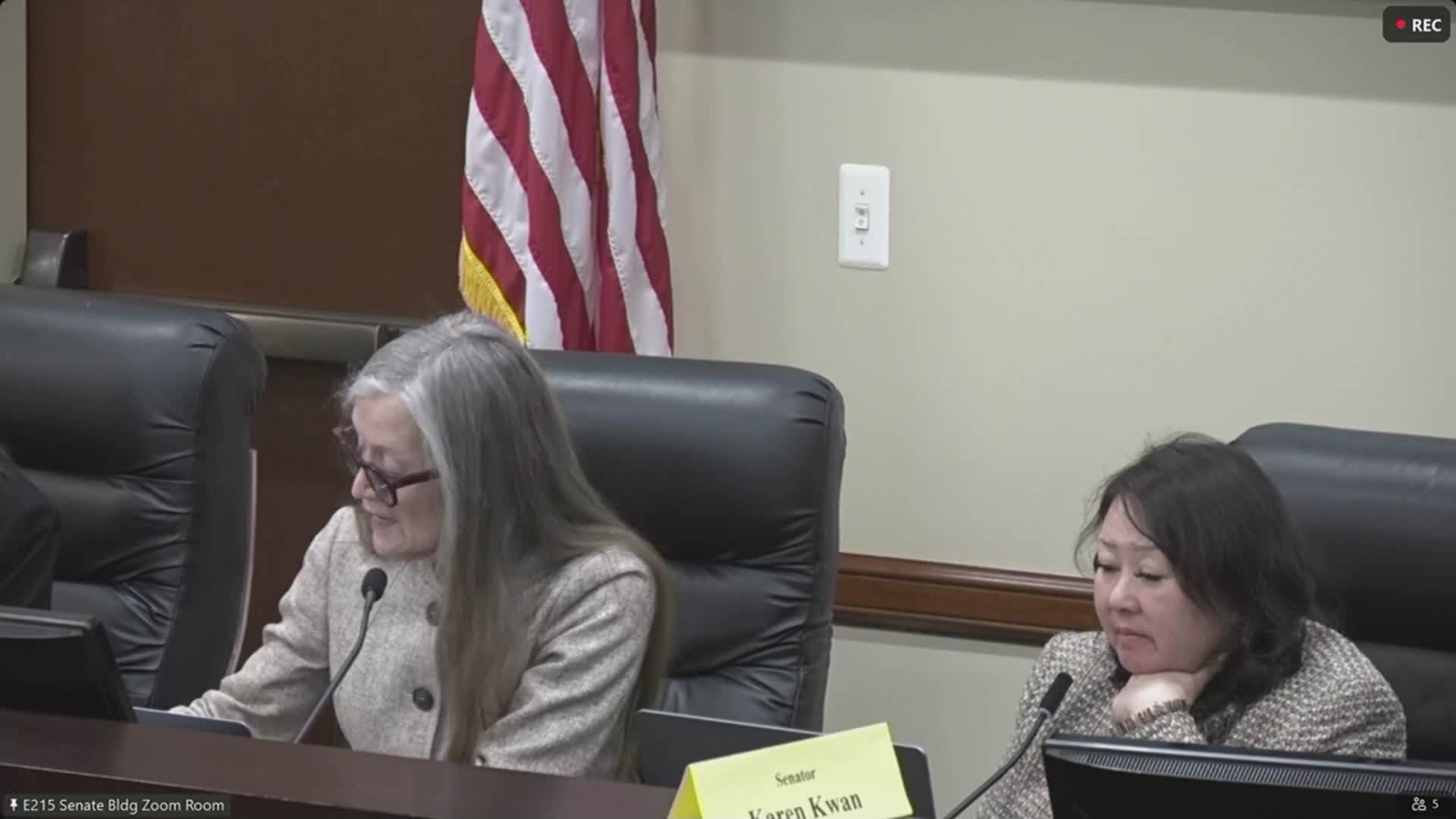
Committee members moved to adopt the fourth substitute and then to favorably recommend the bill to the full Senate; the motions passed unanimously. Supporters described the substitute as a pragmatic package that preserves high‑priority programs within available funding and moves forward with criminal‑justice diversion pilot concepts and information‑system improvements.
The bill now heads to the full Senate for consideration; proponents said future sessions could revisit additional investments if funds become available.