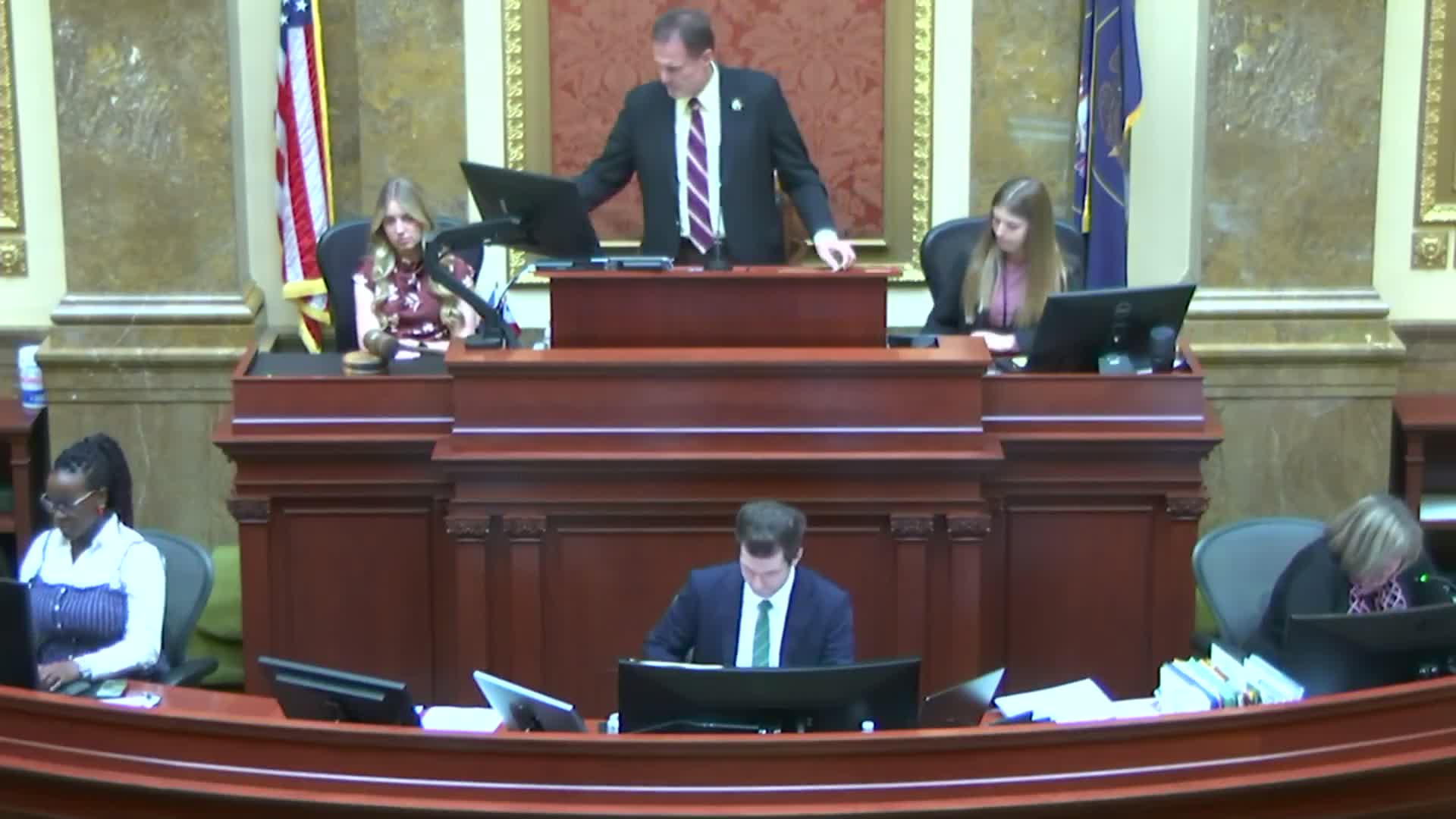
Restaurant-tax overhaul fails after hours of floor debate on county impacts
Loading...
Summary
The House debated a proposed change to the restaurant (prepared-food) tax base that would broaden the base and lower the isolated restaurant surcharge; supporters argued for simplification and stability while opponents from rural counties warned of harm to tourism-dependent economies. The second substitute failed 21–52.
Representative Thurston presented second substitute HB 231, a proposal to change the base of the restaurant (prepared-food) tax to a broader sales-tax base and to lower the targeted restaurant surcharge by spreading collections across a wider base. Thurston framed the proposal as a simplification and fairness measure: “The best tax is a neutral tax,” he said, arguing broader base and lower rate would reduce economic distortions and compliance costs while raising an estimated $6 million statewide due to rounding in rate calculations.
Floor debate ran long and became sharply regional. Supporters emphasized administrative simplicity, lower rates and stronger county revenue stability; Representative Thurston said the change would be “broad enough to be low and simple enough to be invisible.” Opponents representing rural counties—including Representatives Albrecht and Shelley—warned the proposal would tax residents instead of tourists and would harm tourism-dependent economies, arguing some counties rely heavily on the current restaurant tax to fund infrastructure and promotion. Representative Albrecht described counties with very high federal-land shares and limited private tax bases and urged colleagues to consider rural impacts; Representative Shelley said the change would “decimate” tourism-driven local economies in some areas.
Representative Thurston repeatedly answered technical questions about hold-harmless calculations and rounding, saying that when the tax commission rounds to two decimal places counties would by definition receive more revenue in many cases and that the net statewide effect would be modest. After the previous question was called and final remarks were made, the House voted; second substitute HB 231 failed, receiving 21 yes and 52 no votes and will not advance from the floor at this time.
What happens next: With the floor rejection, the sponsor or leadership could pursue alternative language, seek additional county agreements, or resurface elements of the proposal in future sessions. The transcript shows detailed technical discussion that fiscal staff and county associations might use in follow-up.