
Senate passes AI ‘sandbox’ bill to pilot educational technology under oversight
Get AI-powered insights, summaries, and transcripts
Subscribe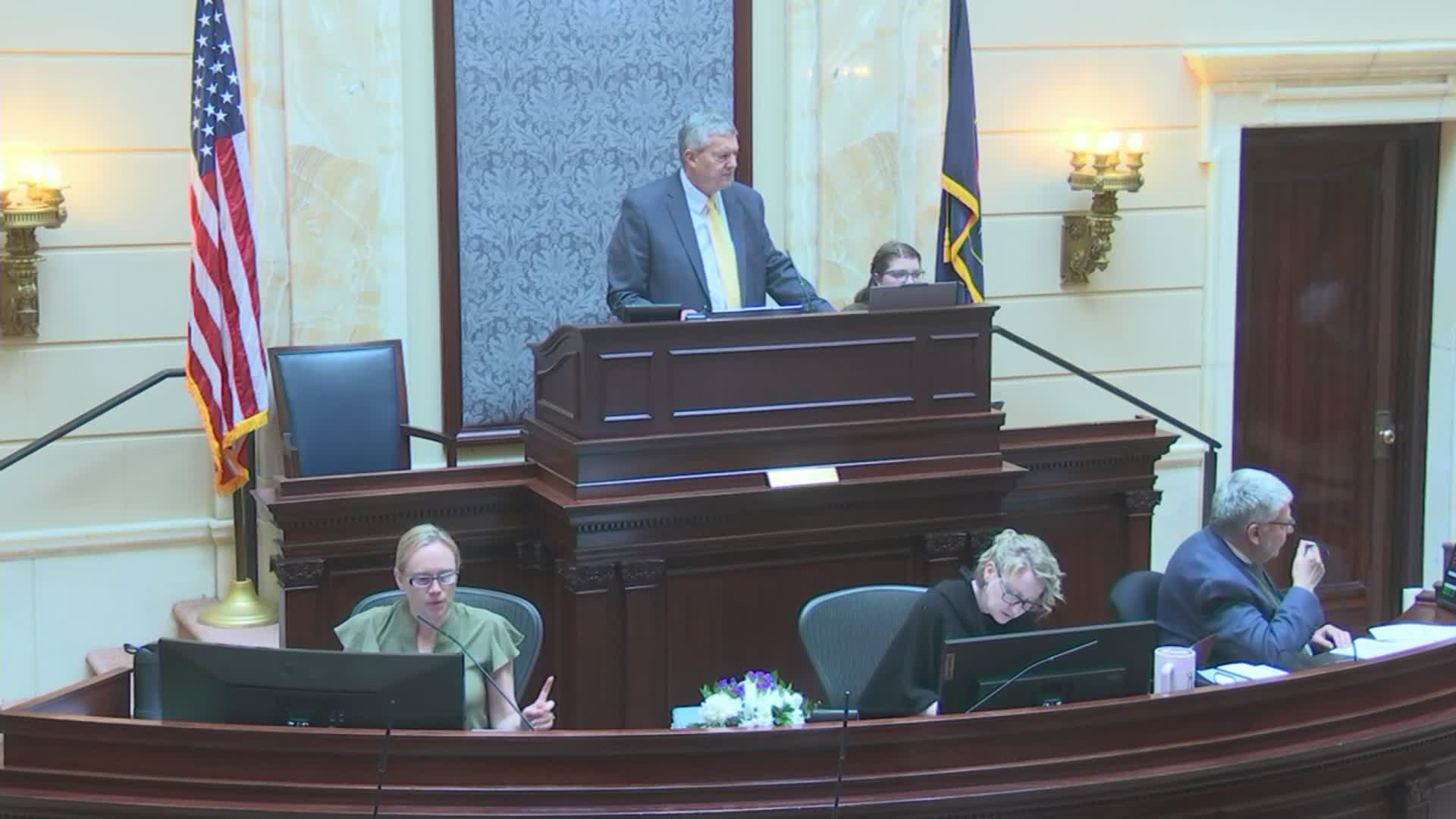
Summary
The Senate approved SB 3 22 to create a voluntary, time‑limited regulatory sandbox for AI and other educational technologies. The bill requires vendor testing, educator training, parental notice and opt‑outs, independent evaluation, and legislative approval before statewide adoption.
The Utah Senate unanimously passed first substitute Senate Bill 3 22 to establish a regulated sandbox for testing artificial‑intelligence and educational technologies in classrooms. Sponsor Senator Johnson described the measure as a voluntary, time‑limited framework that would allow pilots under strict safety, transparency and evaluation requirements before any statewide adoption.
Under the bill vendors must document adversarial testing (red‑teaming) and remediations, complete annual recertification for multi‑year pilots, disclose any use of algorithmic decision‑making, and report safety failures to the state within 48 hours. Educators must complete training before classroom use, parents must receive written notice and may opt children out without academic penalty, and AI systems may not assign final grades or override teacher judgment. The bill explicitly prohibits AI systems that simulate romantic/personal relationships with students or create emotional dependency, and requires automatic referral to mental‑health resources (SafeUT and national hotlines) if a system detects self‑harm signals.
Independent evaluators selected without financial ties will measure impacts on student learning against control groups and disaggregated subpopulations; the State Board of Education will review completed pilot evidence and make recommendations to the Legislature, which retains final authority before any statewide adoption. Senator Johnson emphasized the bill sets methodological standards for historical and civics content to avoid presentism and requires legislative sign‑off rather than agency‑level mandates.
There are no new appropriations in the substitute; pilots will run through existing offices and vendors absorb compliance costs. The bill sunsets automatically on July 1, 2031 unless extended by the Legislature. The Senate recorded 24 yea votes with no recorded nays in this floor action; the bill will be transmitted to the House.