
Senate approves public education budget amendments after debate over cuts and restorations
Get AI-powered insights, summaries, and transcripts
Subscribe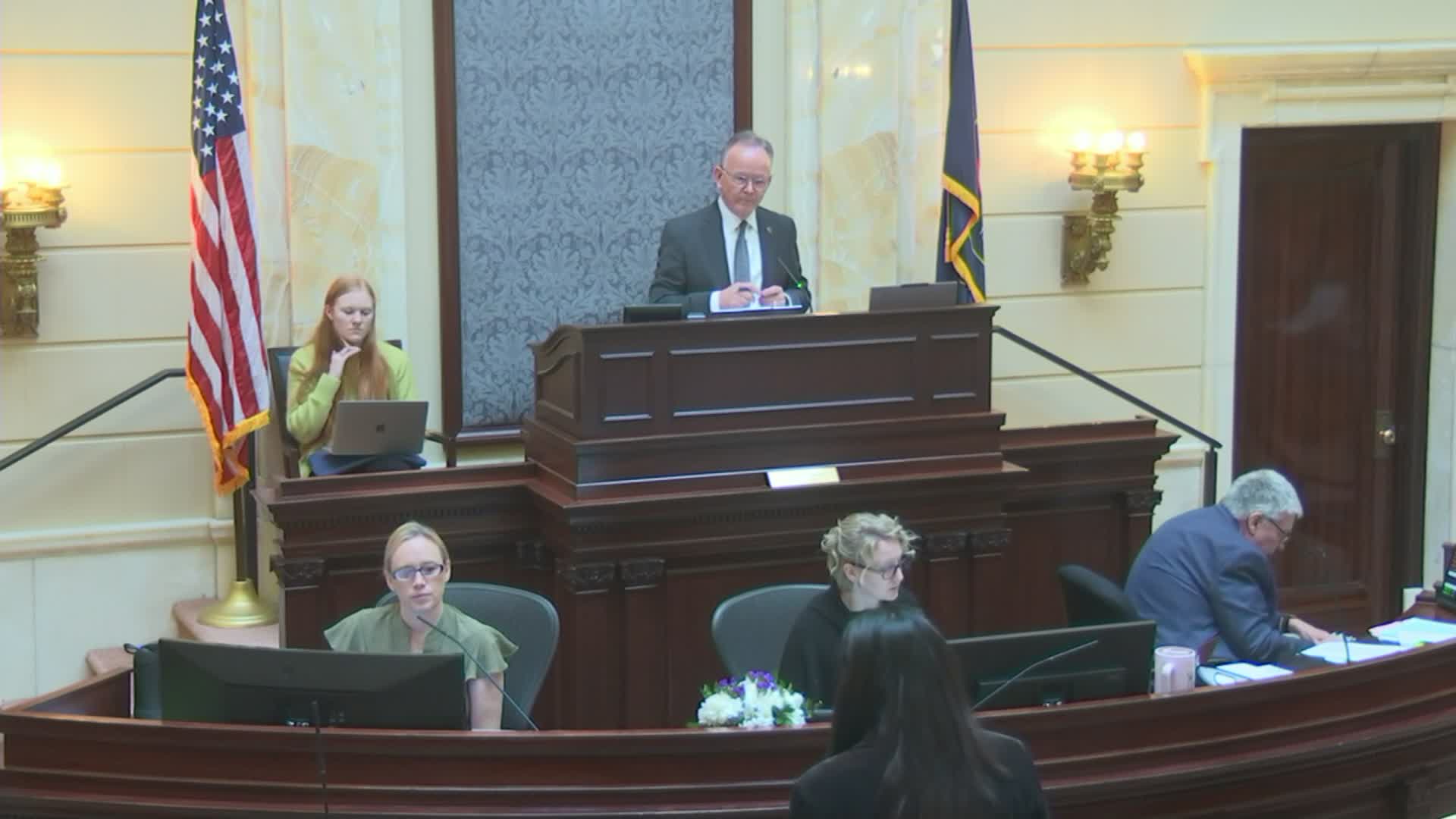
Summary
The Utah Senate passed Senate Bill 2, a set of public education budget amendments that balance modest ongoing reductions with targeted restorations and one‑time investments; the measure passed 23–6 under suspension of the rules and now goes to the House.
Senate Bill 2, a package of public education budget amendments, passed the Utah Senate under suspension of rules after extended debate. The bill, presented by Appropriations sponsor Senator Baldry, passed 23–6 and will be sent to the House for consideration.
Baldry framed the bill as a net reprioritization rather than a rollback: he described $8.2 million in one‑time reductions and $41.7 million in ongoing reductions (about $49.9 million total, roughly 0.85% of the education budget) alongside $145.2 million in combined one‑time and ongoing increases described in various lines. Key allocations he cited included $25 million ongoing for at‑risk student support, $35 million for applied professional education centers, and targeted restorations such as $17.8 million one‑time to restore school fees mitigation funding.
The debate focused on which line items were reduced and the effects on school districts. Senator Riebe objected to cuts she said will hit classroom supports, noting specific reductions she read from committee materials: “We’re cutting $18,300,000 to digital teaching and learning,” and she said educator salary adjustments and competency‑based grants were reduced. Riebe said those changes meant she could not support the supplemental bill as presented.
Sponsor Baldry and supporters pushed back that the package represented both increases and reallocated funds. In response to questions, Baldry called the change a “haircut trim,” explaining that a projected 4% growth would be tempered to 3% in some calculations but that the overall funding picture still reflected net increases when combined with base budget actions. Senator Brammer and Senator Fillmore emphasized the committee’s effort to identify lower‑priority programs and repurpose funds toward higher‑priority initiatives.
Several senators sought clarifications about specific statutory language that would change how the Weighted Pupil Unit (WPU) is calculated (a move from prior‑year WPU to the lesser of WPU or consumer price index), and Baldry acknowledged the change would reduce the rate of growth for some allocations while preserving a net increase in the education budget overall. Senator Kwan raised concerns about compounding effects with pending litigation and how combined policy changes could affect teacher pay and predictability for educators.
After a brief summation from Baldry, the Senate voted under suspension of the rules. The clerk recorded 23 yea votes and 6 nays; the bill passed and will be transmitted to the House for their consideration and any further action.
What’s next: The House will receive SB 2 and may act on the amendments or take further steps in the budget process. Fiscal implementation and any statutory changes referenced in the bill will require administrative steps and reporting specified in the amendment language.