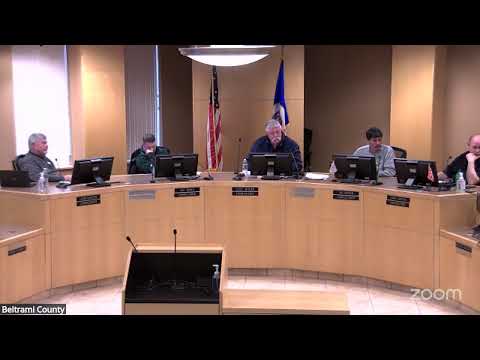
PrimeWest Health director outlines county-based managed-care model, local impacts for Beltrami County
Loading...
Summary
Matt Magnuson, incoming CEO of PrimeWest Health, told the Beltrami County Board that PrimeWest covers about 75,000 members across 24 counties and roughly 10,500 in Beltrami County, described capitation risk and reserves, and said the plan uses surplus funds for community reinvestment and to support local providers.
Matt Magnuson, director of member and provider services and the incoming CEO of PrimeWest Health, told the Beltrami County Board that PrimeWest is a "county joint powers organization that operates a health insurance company" and that its county-based purchasing model is designed to protect rural providers and return surplus funds to local health infrastructure.
PrimeWest’s county-based model contracts with the state to receive a per-member, per-month capitation payment and then pays claims for enrolled Medicaid and Medicare members. Magnuson said PrimeWest serves about 75,000 members across 24 rural Minnesota counties and that Beltrami County has roughly 10,500 members enrolled in those programs. He said the plan’s 2025 budget included about $419,000,000 in state-funded Medicaid/Medicare revenue and that the organization maintains reserves to meet claims if expenses exceed capitation revenue.
Why it matters: under the county-based purchasing statute, counties that operate or govern managed-care plans bear financial risk if claims exceed capitation payments. Magnuson told the board that PrimeWest maintains risk-based capital and a healthy reserve so counties have not had to be asked to contribute additional funds in PrimeWest’s 23-year history.
Magnuson described how the plan uses surplus reserves for "community reinvestment" grants that have funded local dental and mental-health clinics, transportation providers and other services. He said PrimeWest has paid providers above standard DHS fee-for-service rates in many cases to help sustain rural providers’ cash flow and preserve local access.
Board members pressed for local detail. One board member praised PrimeWest’s role in expanding dental access, saying PrimeWest’s community grants helped Northern Dental Access and Caring Hands expand services. Magnuson confirmed the organization has made targeted grants and cited $26 million in total community reinvestment and more than $205 million in payments above what local providers would have received under fee-for-service arrangements.
Magnuson also explained the capitation risk: if a new enrollee generates far higher claims than the capitation payment received for that member, PrimeWest must cover the shortfall from reserves. He said that after a recent expansion of service counties, PrimeWest’s membership rose sharply and that enrollment increases raise the reserve requirements and affect risk-based capital.
Looking ahead, Magnuson said the board of county commissioners that governs PrimeWest ultimately decides how to allocate excess reserves and prioritize reinvestment projects, and he invited local commissioners to weigh in on priorities such as dental and behavioral-health funding.
The presentation was followed by questions from commissioners about enrollment on local reservations, the plan’s reserve thresholds and how potential state-level Medicaid funding cuts could affect benefits and capitation. Magnuson said the state had not yet reduced managed-care capitation rates but noted that past state budget actions have cut specific benefits (for example, adult chiropractic coverage) and that program changes could reduce member benefits or provider payments.
The board took no formal action on the presentation; PrimeWest staff said they will return with updated numbers as the enrollment and budget figures change.