Get Full Government Meeting Transcripts, Videos, & Alerts Forever!
Get email alerts on the Budget Overview topic
No spam. Unsubscribe anytime.
Norwalk BET opens multi-day budget reviews; chair demands 10% departmental cuts
Summary
At a March 3 special meeting, Norwalk’s Board of Estimate and Taxation heard the mayor and finance staff detail major budget pressures — health care, collective bargaining, and revaluation — and asked each department to prepare a 10% reduced spending scenario with risks spelled out.
Norwalk’s Board of Estimate and Taxation (BET) opened the first of several focused budget-review meetings on March 3, with Mayor Smith and finance staff outlining drivers behind a sharply higher proposed spending plan and the BET chair instructing departments to prepare alternate budgets trimmed by 10%.
Mayor Smith told the board the initial numbers are “striking” and urged members to pair rigorous scrutiny with strategic investments, citing three large, partly uncontrollable drivers: rising health-care costs, the timing of recently negotiated collective bargaining agreements and the multi-year property revaluation phase-in. “Sometimes responsible leadership does mean recognizing that thoughtful investment today creates savings and opportunity tomorrow,” the mayor said.
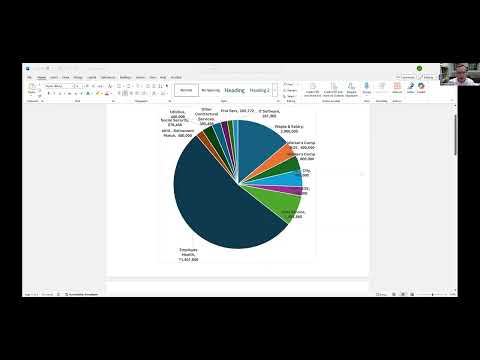
Finance presenter Jared framed the technical picture for members, pointing to roughly a dozen accounts accounting for most increases and identifying employee health and internal service fund items as the largest single driver. “Employee health and those internal service fund items, they're approximately $14,000,000,” Jared said, and he noted the mayor’s budget changes pushed the overall requested increase to roughly a 7.54% cap the city council approved — about $34 million over baseline.
BET Chair Abrams, speaking for the board, said the majority of the BET is “very uncomfortable with the recommended budget” and warned that the phase-in could force tax increases for residents “in the range of 11 to almost 18%.” He directed city-side departments to return alternate scenarios that reduce planned spending by 10% and to describe the operational impacts and risks of those reductions. The board said it will use those departmental analyses, the efficiency study, and a later public hearing to shape its final recommendations.
The presentation and ensuing discussion covered common levers: salary lapses, vacancy management, and targeted reductions in nonessential discretionary lines. Jared described a citywide lump-sum salary lapse approach rather than reallocating smaller cuts across individual departments. Commissioners also discussed options such as reexamining internal service funding and pursuing additional revenue streams, including potential city-owned property dispositions.
The BET set several items as open follow-ups for the next phase of deliberations, including a registrars’ staffing and early-voting cost analysis, a historical reconciliation of chief-of-staff costs, and a revised fire-department headcount proposal tied to the Station 4 schedule. The board adjourned after a motion to continue deliberations at later sessions.
The board will reconvene to review the alternate departmental scenarios, and a public hearing later in the month will allow residents to comment on the plan.