Committee tables midwife licensure bill after extended testimony and nursing‑board concerns
Loading...
Summary
Senate Bill 993, proposing a new licensed‑midwife pathway and a not‑to‑exceed $500 fee, was tabled after hours of testimony from certified professional midwives, nurse midwives and the Board of Nursing, with concerns about licensing authority, permitted medications, discipline/reinstatement language and operational details.
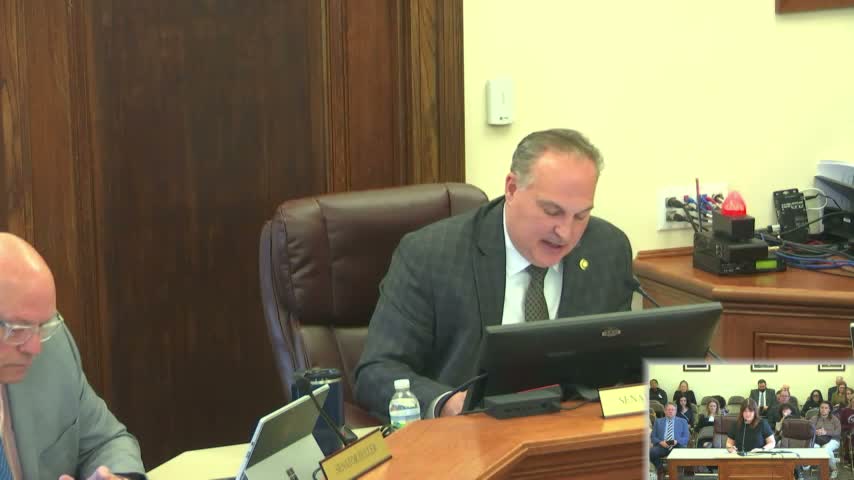
The Senate Health Committee on March 7 heard extensive testimony on Senate Bill 993, a measure to license and regulate midwives in West Virginia. Counsel explained the bill’s main features: pathways to licensure tied to national CPM/registry credentials, definitions of scope and midwife care, a fee not to exceed $500, provisions on access to certain scheduled drugs, and grounds for denial, revocation and discipline. Counsel said a fiscal note had been requested and that the bill carries a secondary reference to the Committee on Finance.
Certified professional midwife Stacia Quindrell (speaker 9) told the committee she supports licensure but prefers placement outside the Board of Registered Nursing, describing midwifery as a public‑health service and noting a recent maternity health grant targeting maternity‑care deserts. Quindrell said CPMs would not be prescribing routine outpatient medications in the usual sense but would maintain hemorrhage‑prevention drugs such as oxytocin, misoprostol and tranexamic acid for immediate use and access them from established suppliers once licensed.
Beth Redden (speaker 11), a certified nurse midwife and president of the West Virginia affiliate of the American College of Nurse Midwives, described devices referenced in the bill as tamponade devices used for postpartum uterine atony and reiterated that licensed midwives in other states obtain a defined list of medications from suppliers once they can demonstrate licensure.
Sue Painter (speaker 12), executive director of the RN Board of Nursing, outlined multiple technical concerns: the bill lacks a clear definition of "licensed midwife," does not specify which medications midwives could order or administer and leaves open whether administration could include IV medications in a home setting; Painter also raised questions about the proposed licensing authority, discipline and reinstatement language, the lower age threshold in renewal language and whether the proposed $500 fee would support a self‑sustaining licensing board.
After extended questioning and a stakeholder exchange, a senator moved to table SB993 to allow sponsors and stakeholders to address the identified concerns. The committee took the motion, went at ease, reconvened and adopted the motion to table by voice vote.
What’s next: Tabling preserves the bill for further stakeholder work; sponsors and committee staff may return an amended version at a later committee meeting.