Hot Springs council approves Cascade Hills PUD and a tax-increment financing district for 51-home subdivision
Loading...
Summary
The council approved zoning and a TIF for the Cascade Hills subdivision, a roughly 10-acre project of about 51 lots intended to spur workforce housing. Developers and hospital officials said the project poses no financial liability for the city; the TIF is estimated at $2,698,000 and tied to a 15-year repayment horizon.
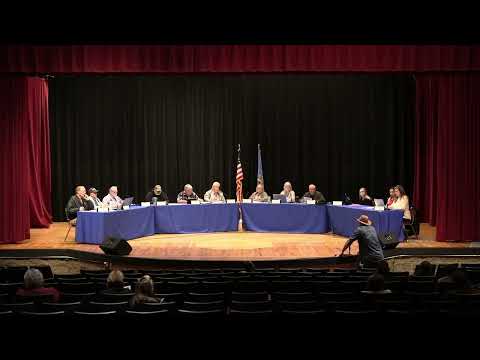
The Hot Springs City Council voted to approve a planned unit development (PUD) and a tax-increment financing (TIF) district for the Cascade Hills subdivision, a roughly 10-acre project that project representatives said will include about 51 home sites and aims to provide workforce housing for the community.
Quinn, a Colliers representative, told the council the financing structure included a TIF of $2,698,000 and an estimated TIF expiration in 2041. "Total TIF is 2,698,000. Estimating expiration date of 2041," Quinn said while describing how the TIF would be an annual appropriation and would not create liability for the city.
Jeremy Scholtes, CEO of the local hospital, and other project backers described the development as a workforce-housing effort intended to help the hospital recruit and retain staff. "We stopped tracking at 70 individuals that applied," Scholtes said describing prior recruitment losses tied to housing availability. The project team said the South Dakota Housing Authority contributed a housing grant toward the infrastructure costs; project documents estimate about $17,235,000 in future assessed valuation attributable to the homes once completed.
Council members and members of the public focused questions on ownership and the period during which improvements are captured by the TIF. A member asked who would own lots and whether the houses would be owner-occupied or rented; project representatives said the Community Health and Development 501(c)(3) (referred to as CHAD) will be organized to manage lot sales and that covenants will be used to encourage owner-occupancy, though units could be sold to builders or rented if buyers chose to do so.
Council also discussed how the TIF treats land versus improvements: staff said the TIF base value was set at $124,000 and that taxes above that base (the improvements/value added by the homes) would be captured to repay infrastructure costs. Project representatives said the estimated non-eligible vertical costs for homes total about $17,235,000 and that the TIF covers only infrastructure and interest associated with those infrastructure costs.
After public comment and questions from council members, the resolution creating TIF Number 4 and the associated zoning/PUD ordinance were approved on roll-call votes. Council members who spoke in favor emphasized the project's goal of attracting working-age residents; critics and questioners sought assurances about tax impacts, timing and protections for existing taxpayers.
The council action included a recorded roll call with council members voting in favor; the motion passed and staff said construction and initial infrastructure work are expected to begin in April with home completions phased thereafter. The mayor and staff said the city assumes no direct financial liability under the TIF; project leaders said the developer bears the fiscal risk.