Get Full Government Meeting Transcripts, Videos, & Alerts Forever!
Get email alerts on the Municipal Finance topic
No spam. Unsubscribe anytime.
Ironton council adopts Ordinance 26-12 after debate; bid to advance higher-threshold Ordinance 26-13 fails
Summary
The council adopted Ordinance 26-12 to amend a codified section and include ORC language; members debated emergency spending language and a proposed Ordinance 26-13 to raise the mayoral single-purchase limit to $25,000 but failed to gather the six votes needed to suspend rules and advance 26-13.
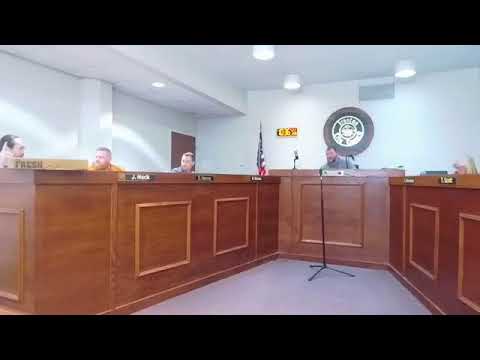
Ironton City Council adopted Ordinance 26-12 at a Feb. 28 special meeting after brief debate over mayoral spending authority and emergency-purchase language. The ordinance’s title was read by the clerk and, following discussion, members voted to suspend rules and move second and third readings by title; the Chair declared Ordinance 26-12 adopted.
Debate preceding the adoption centered on whether the council should change a current spending threshold and how emergency spending would be handled. One council speaker warned that, without an immediate fix, certain purchases could leave city workers unable to perform necessary safety tasks, describing the situation as "almost like a government shutdown." Another council member proposed an alternative ordinance, designated 26-13, that would raise the single-purchase threshold from $5,000 to $25,000 and include emergency-spending language to permit higher one-off expenditures when necessary.
Members discussed Robert's Rules and the procedural requirement that six votes are needed to suspend rules and make an ordinance effective immediately; otherwise an ordinance takes effect after 30 days. Supporters of the $25,000 threshold cited examples from other Ohio municipalities (including Portsmouth, Beachwood, Richmond Heights, University Heights and Cleveland) to argue the proposed limit was reasonable for oversight and to avoid frequent special meetings in urgent situations.
A motion to suspend the rules and read Ordinance 26-13 by title was brought forward and later revised to include a draft amendment; members noted that an amended ordinance would require a new recommendation from the finance committee. The roll call on suspending rules for 26-13 produced mixed votes and the Chair announced there were not enough votes to suspend the rules, so the council did not advance 26-13 at the meeting.
The transcript records explicit references to ORC language being added to 26-12; council members discussed returning the proposed amendment (26-13) to finance and convening additional meetings, including involving department heads, to craft comprehensive ordinance language. The meeting adjourned after the failure to suspend rules for 26-13.
Ordinance 26-12 was declared adopted by the Chair; the transcript does not provide a fully itemized roll-call tally for the final adoption beyond voice/aye responses and the Chair’s declaration. Ordinance 26-13 remains under discussion and would require additional committee review and votes before it could be enacted or take immediate effect.