Get Full Government Meeting Transcripts, Videos, & Alerts Forever!
Decatur County wellness board recommends $80,000 to ARC contingent on RecoveryWorks participation, denies Foundations for Recovery initial request
Summary
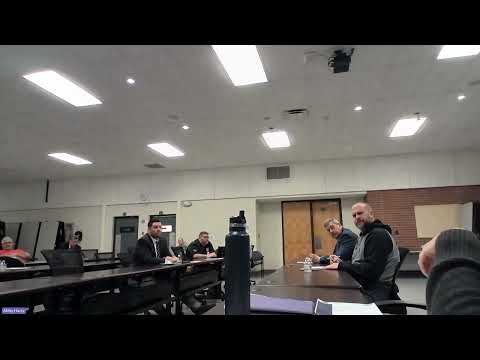
The Decatur County Wellness Board agreed to forward an $80,000 recommendation to the county commissioners to help ARC refinance loans, with release contingent on proof the ARC is actively participating in RecoveryWorks; the board also denied Foundations for Recovery’s initial grant application but invited a revised submission.
At a wellness board meeting, members voted to forward an $80,000 grant recommendation to the Decatur County commissioners for ARC’s debt-reduction and refinancing plan, contingent on the nonprofit showing it is qualified for and receiving RecoveryWorks funds.
The board’s chair said, “The 80,000, go to the commissioners with that, which we're still being contingent upon,” and members discussed structuring the payment to protect county funds until ARC demonstrated client enrollment and the RecoveryWorks revenue stream. One member announced an abstention during the vote; the motion carried.
Board…
Already have an account? Log in
Subscribe to keep reading
Unlock the rest of this article — and every article on Citizen Portal.
- Unlimited articles
- AI-powered breakdowns of topics, speakers, decisions, and budgets
- Instant alerts when your location has a new meeting
- Follow topics and more locations
- 1,000 AI Insights / month, plus AI Chat