Get Full Government Meeting Transcripts, Videos, & Alerts Forever!
Get email alerts on the Public Health Library Closure topic
No spam. Unsubscribe anytime.
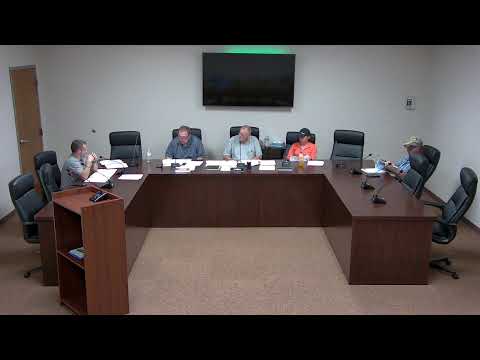
Coffee County votes to close Manchester Library after tests find elevated mold spores
Summary
The Coffee County Commission voted March 5 to close the Manchester Library immediately after indoor-air testing found elevated mold spores; the board directed staff to obtain three remediation quotes, check insurance coverage, and secure a clean bill of health before reopening.
The Coffee County Commission voted March 5 to close the Manchester Library immediately after a library environmental report and follow-up testing showed elevated mold spore levels.
The Manchester Library director told commissioners that an IAQTN test paid from the library’s committed funds ($2,700) and additional swab results indicated elevated mold spores, contributed to by roof leaks and a missing condensation trap on an HVAC unit. "It needs to be done and probably as quickly as possible," the director said, urging the county to arrange HVAC cleaning and remediation.
Commissioner Watkins moved to close the library "until this can be rectified," citing liability and public-health concerns; the motion was seconded and approved by voice vote. Watkins said, "I don't want any of our kids getting sick," and told the board the closure should be immediate.
Maintenance staff described recent repair work on the library roof and removal of damaged sheetrock in an affected corner but said some high roof areas require special lifts and that they have not completed all repairs. Staff warned that full remediation could require containment measures recommended by the testing—including negative pressure, air scrubbers, dehumidification and zippered plastic containment—and that portions of the building may need to be closed during work.
The board directed staff to obtain three professional remediation quotes (not limited to the testing firm), consult budget and finance about funding and insurance coverage, and seek a clean re-test from an industry standard provider before reopening. The commission discussed emergency procurement options and noted the mayor could declare an emergency to accelerate spending if warranted.
The director said the library paid for the IAQTN test from the library’s committed funds and that staff health complaints and at least one workers' compensation report have followed. Commissioners acknowledged the library’s payment for the test and asked the county attorney and budget office to clarify liability, workers’ pay during closure, and whether insurance covers remediation costs. One commissioner suggested checking with Mary Anna in the budget office about insurance coverage.
Next steps: staff will collect three remediation estimates and return to the commission with cost, schedule and insurance information; the library will remain closed until a follow-up test clears the building.