
Council hearing flags federal funding risks and local trade-offs for Boston housing budget
Get AI-powered insights, summaries, and transcripts
Sign Up Free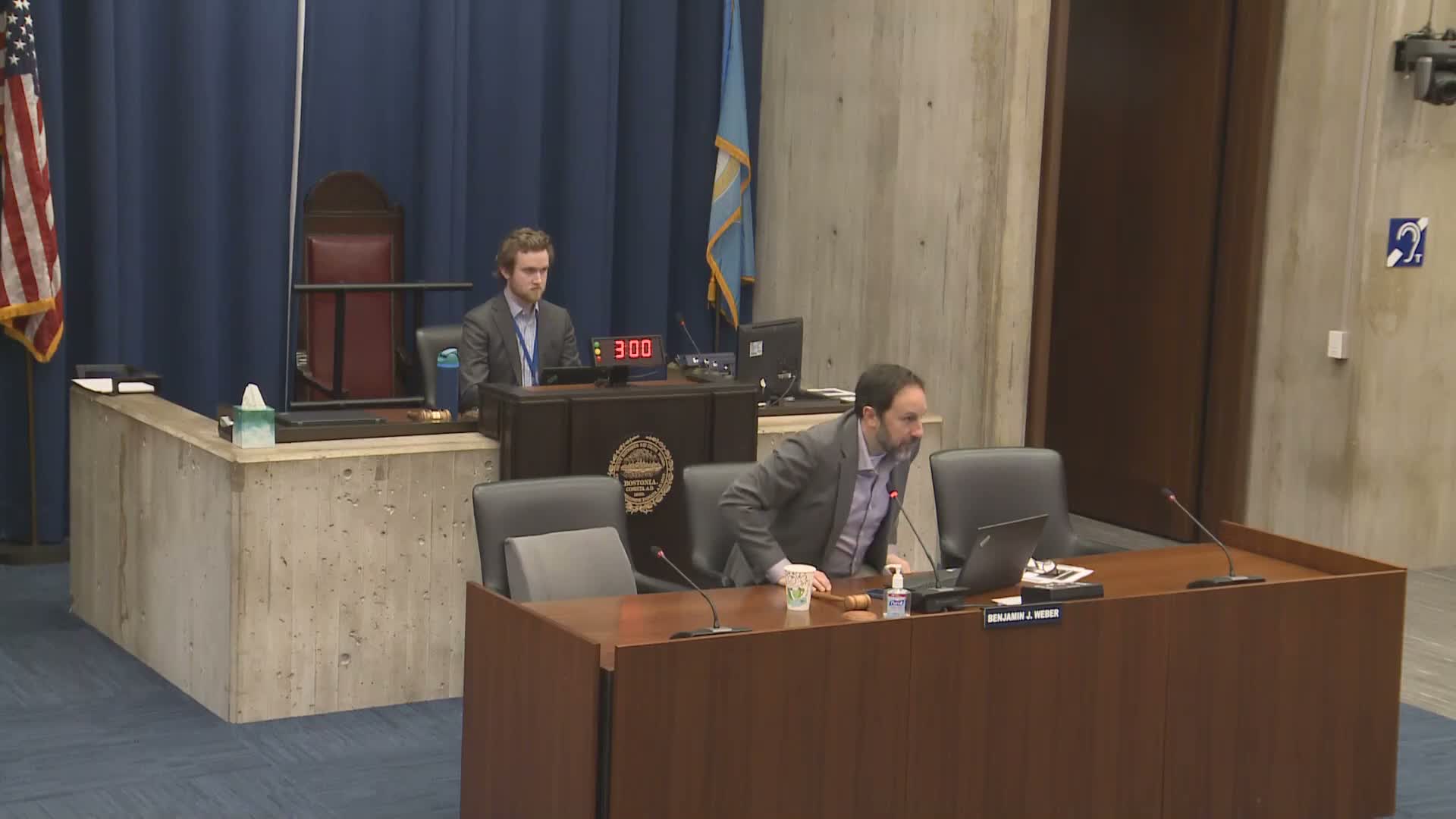
Summary
At a March 5 Ways and Means hearing, Boston housing officials told councilors that federal HUD uncertainty and the end of one-time pandemic funds will squeeze FY27 housing programs. Councilors pressed for options including a temporary rollback of inclusionary requirements and new local revenue tools to sustain production and homelessness services.
On March 5, 2026, the Boston City Council Committee on Ways and Means heard from the mayor’s housing team that federal grant risk and the depletion of pandemic-era dollars are likely to tighten local housing resources in fiscal year 2027. Committee Chair Ben Weber convened the session and said the hearing would focus on housing and immigration ahead of a broader CFO briefing set for March 23.
Sheila Dillon, chief of the Mayor’s Office of Housing, opened with a progress report and said the city has advanced thousands of units and housed large numbers of households in recent years. “Over the last two years we’ve completed or have under construction roughly 6,200 new income‑restricted units,” Dillon said, and she added that across four years the city has placed about 7,800 homeless households into permanent housing and created nearly 400 new permanent supportive units.
Why it matters: city leaders said continued production and homelessness services depend on federal grants and one-time COVID funding that are now dwindling. Rick Wilson, the mayor’s housing director, told the committee the city receives about $75 million a year in HUD grants and is watching federal policy closely: “We’re involved in multiple lawsuits against HUD,” he said, and an injunction is currently preserving access to some funds. Wilson warned that last year’s federal guidance could have resulted in the loss of hundreds of permanent supportive units if it were allowed to proceed unchanged.
Councilors pressed for local options. Councilor Flynn proposed a temporary rollback of the Inclusionary Development Policy (IDP) affordable-unit target to about 13% for up to five years, arguing that a lower requirement could unblock projects amid high construction costs. Dillon acknowledged the trade-offs and said IDP is only one of multiple barriers holding projects up; she estimated roughly 30,000 approved units are stalled because of financing, developer return expectations and elevated construction costs. “We’ve been working with developers to figure out permitting help, buyouts or other creative ways to unlock those projects,” she said.
Process improvements and near-term priorities: Dan Lesser, chief of staff at the Mayor’s Office of Housing, said permitting reforms and tighter interagency coordination have reduced approval times by an estimated 25–30% for many projects and remain a priority. Dillon and Wilson also flagged the acquisition opportunity program (AOP) and said the city is preparing to award projects that would advance about 900 units in its next round. Officials said the city will prioritize housing stability services in budget deliberations and attempt to replace expiring ARPA and CARES Act support where possible.
Outstanding risks and next steps: officials identified the Continuum of Care—Boston’s largest federal homelessness funding stream—as a particularly high‑risk item; MOH staff said the program supports more than 1,000 vulnerable households and that contingency planning is underway should federal rules change. Chair Weber noted the CFO will brief the committee on March 23 to provide broader budget data and the council signaled it will hold additional hearings on policy tools such as the transfer fee and the proposed IDP change.
The hearing concluded with public testimony urging the council to prioritize housing in FY27, and the committee adjourned without a vote. The administration and councilors said they would continue follow-up briefings and request specific budget breakouts—MOH said it will provide a detailed report on home‑buyer and voucher programs and the BHA’s issuance progress.