Get Full Government Meeting Transcripts, Videos, & Alerts Forever!
Get email alerts on the Traffic Signals topic
No spam. Unsubscribe anytime.
St. Johns County traffic official explains why signals appear to 'skip' cycles and how drivers can help
Summary
A St. Johns County traffic official described how video-based vehicle detection systems work, why drivers sometimes perceive skipped signal cycles, and advised residents to report concerns via the SJC Connect app while offering driver tips to improve detection.
A St. Johns County traffic official explained how video-based vehicle detection at intersections determines when signals change and why drivers sometimes perceive that a signal cycle was skipped.
The official said cameras and detection zones sense waiting vehicles and communicate with the signal controller. On the system display, detection zones appear as black outlines when empty and change to blue when a vehicle is detected. The controller then services only the phases that show detected, waiting movements.
Understanding that process matters because it can explain common complaints that a green phase seemed too short or was "skipped." The official said a typical example is when the lead vehicle clears the intersection and the following vehicle does not re-enter the detection zone within the controller's allowed reaction window; the system then assumes no additional vehicles are waiting and advances to the next phase.
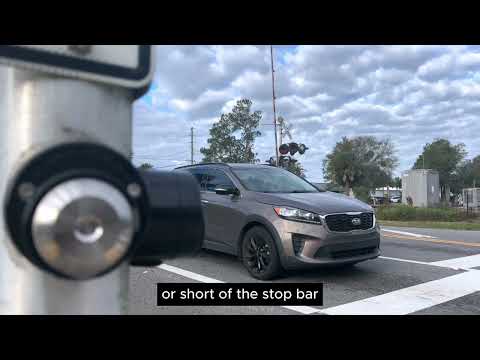
The traffic official also noted a hardware/layout factor: detection zones typically end before the stop bar. Vehicles stopped beyond the stop bar or short of it may not be detected, which can change how the signal responds at that approach.
The county urged residents and drivers to report recurring problems so traffic staff can evaluate individual locations. ‘‘The SJC Connect app is one of the ways that residents and businesses can share traffic concerns with us,’’ the official said. Each submission is reviewed case by case to determine whether signal timing adjustments, operational changes, or future roadway improvements are needed.
To help signals work as intended, the official recommended that drivers pull forward to the stop bar when approaching an intersection and remain attentive so their vehicle stays within the detection zone. Minimizing distractions, the official said, also improves a signal's ability to recognize waiting vehicles and keeps traffic moving efficiently.
The official closed by emphasizing that well-managed, well-timed signals maximize traffic flow and enhance safety, and that ongoing public reports help guide transportation network improvements.