
BOCES students showcase CTE programs as district outlines single-site campus plan
Get AI-powered insights, summaries, and transcripts
Subscribe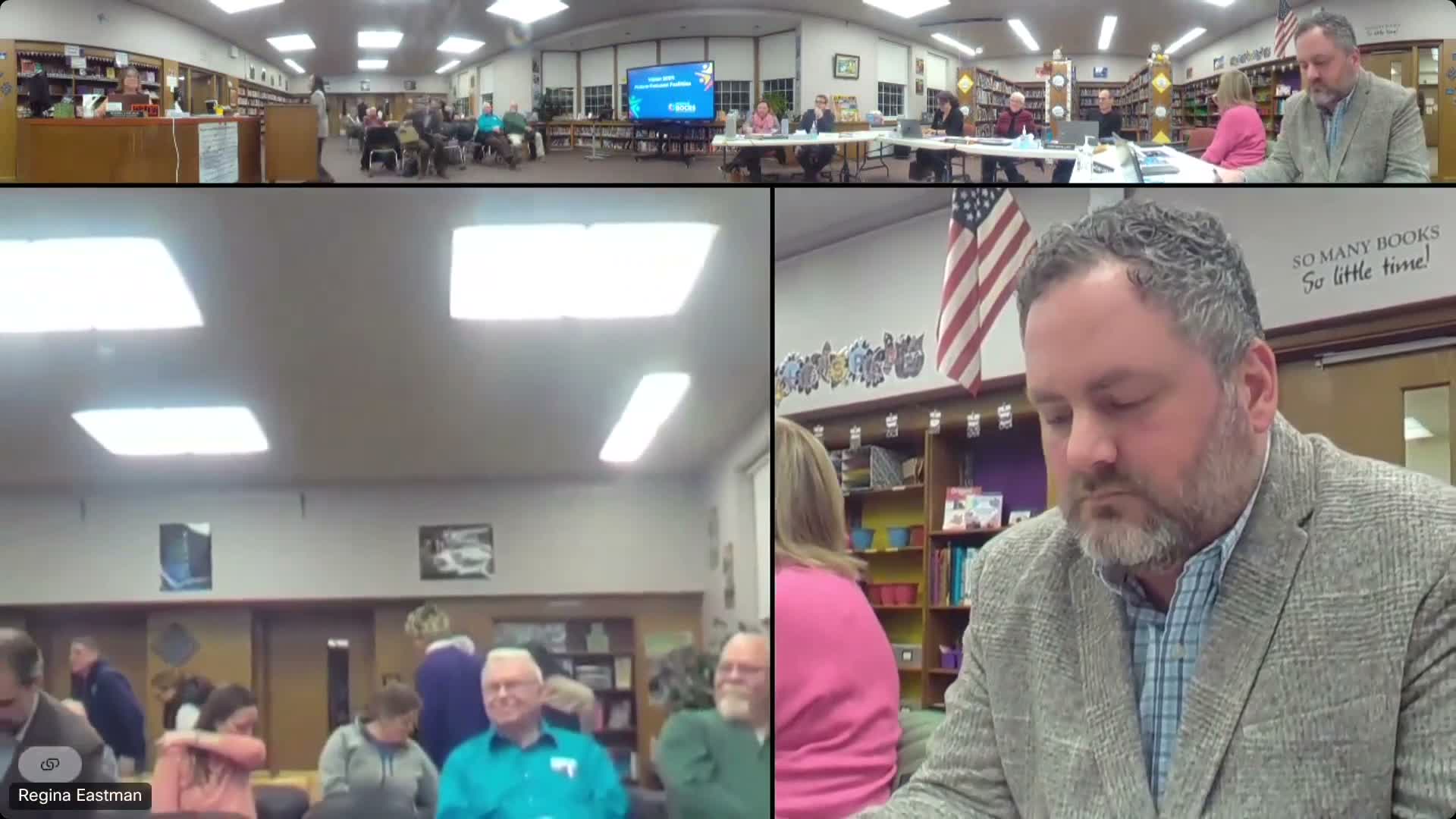
Summary
Students from BOCES described hands-on experiences in small-animal science and HVAC as district and BOCES staff presented plans for a single-site CTE campus at Exit 16 that would consolidate programs, increase capacity and open new offerings. The board heard enrollment projections and a tentative June 2027 substantial-completion date.
Students from regional BOCES told the Salem Board of Education on March 6 that Career & Technical Education programs give them hands-on skills and early credentials while district and BOCES officials laid out a plan to consolidate scattered CTE centers onto a single campus at Exit 16.
The presentation began with students introducing themselves and describing day-to-day classroom and work-based experiences: Nicole, a senior in the small-animal science program, described client grooming and clinic reception work; Connor, a junior in HVAC, described plumbing, electrical and OSHA-10 training. "It's giving an opportunity to kids to get out in the workforce," the presenter (S4) said introducing the student speakers.
A regional presenter (S3) then framed a long-term facilities plan intended to bring CTE programs and exceptional-learners services together in one leased campus. "We're building a single site campus for all of our facilities," S3 said, adding the lease is structured for 20 years with a nonprofit developer and a buy option after the lease is paid off. The timeline shown to the board set substantial completion for June 2027 and a planned student move-in for September 2027.
The facilities plan projects large capacity gains for in-demand programs: welding capacity would rise from about 80 to 150 students; auto technology from 68 to about 100; cosmetology from 136 to about 250; and small-animal science from two 20-student sections toward a larger offering. S3 said the site design emphasizes shared lab spaces, larger classrooms and more efficient deployment of related-service providers (therapists and counselors) across the region.
Board members asked about transportation and daily travel times. The presenter (S3) said effects will vary by district but estimated some bus routes will shorten, and others lengthen, and that average travel for students using regional CTE centers is currently about 40–45 minutes in many cases. The district plans a scheduling committee to coordinate bus routing and daily schedules to reduce unnecessary transfers.
The presentation also cited advisory-committee input from local business partners that called for new programs — for example, stand-alone electrical and clean-energy pathways — that the consolidated campus would make possible. Officials emphasized that the model aims to expand access (reduce wait lists) rather than replace existing local classroom offerings. S3 noted state aid offsets a portion of district lease shares and that revenue from selling existing properties will help offset district costs.
Next steps outlined to the board include continued community outreach, county-by-county public votes required for the project’s approvals, and follow-up meetings to finalize logistics for transportation and program placement. The board received the presentation and asked staff to continue providing updates as design and permitting advance.