Get Full Government Meeting Transcripts, Videos, & Alerts Forever!
Get email alerts on the Open Meetings Transparency topic
No spam. Unsubscribe anytime.
Council members debate whether to discuss 'minimum property standards' in closed session
Summary
Council members argued over whether the 'minimum property standards' item should be handled in executive session; Mayor Pro Tem Dusett pressed for transparency while the City Attorney and Council member Hamilton Everfield defended using closed session for legal advice.
During the Port Arthur City Council’s Feb. 10, 2026 special meeting, members debated whether an agenda item described as "minimum property standards" belonged in a closed executive session under Texas law.
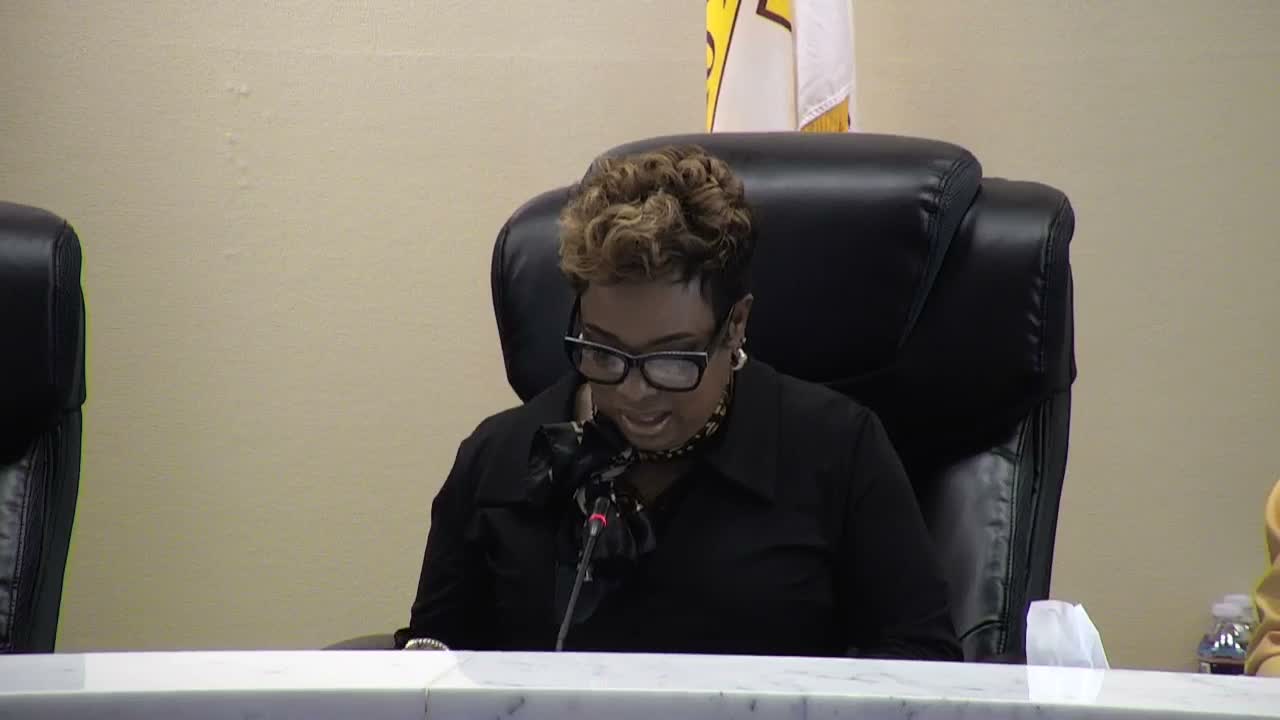
Mayor Pro Tem Dusett challenged the placement of the item in executive session, arguing that "advice from the city attorney should be, if we're gonna go in closed session, it should be strictly about legal matters," and that matters like minimum property standards should be presented publicly so citizens can know about them. Dusett questioned the use of closed sessions for topics that could be discussed transparently in open meeting.
The City Attorney said she would provide legal advice on an ordinance and on enforcement questions and later told the council she would provide legal advice regarding title issues for Logan Park. Council member Hamilton Everfield urged the body to "trust the judgment of our attorney" and said the attorney is the council's legally authorized adviser who can determine what falls under privileged legal advice.
The council held a voice vote about proceeding into executive session on item number 4 (minimum property standards). The mayor recorded two no votes but stated "the ayes have it," and the council proceeded into executive session to receive legal advice on the item. The matter was then handled in executive session and subsequent actions (including a settlement motion taken after reconvening) were recorded on the public docket.
The meeting record does not include further public disclosure of the City Attorney’s legal advice or any ordinance text during the reconvened session; council members instead moved to approve motions emerging from executive session and closed out the meeting.