
Sen. Dixon’s bill would impose 45‑day 'shot clock' on municipal land‑disturbance permits
Get AI-powered insights, summaries, and transcripts
Subscribe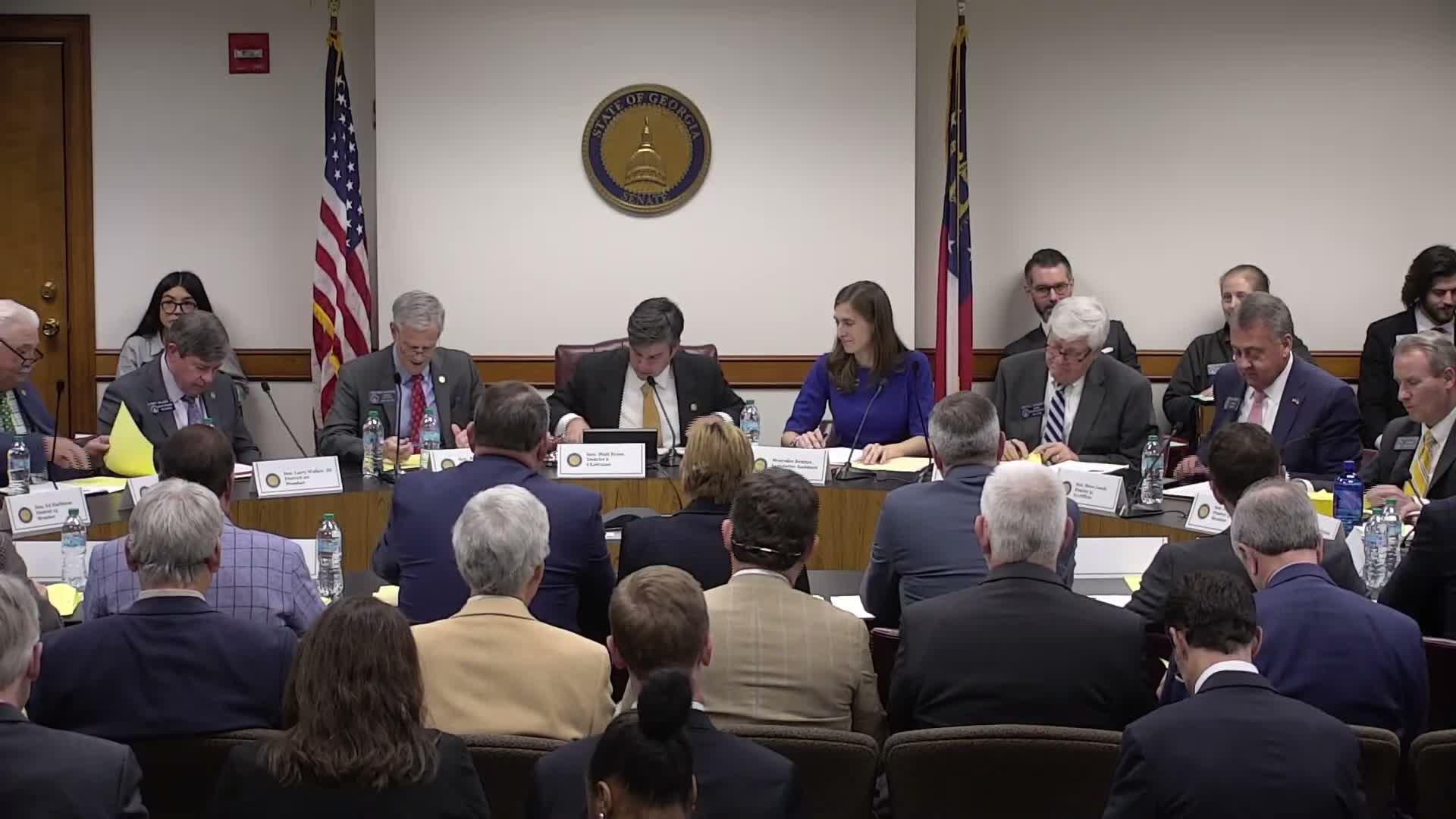
Summary
The Senate Rules Standing Committee advanced SB447 on Feb. 25, 2026. The bill would require municipalities to approve or deny land‑disturbance permits within 45 days, give applicants 14 days for resubmittals, and deem applications approved if local governments fail to act; the committee approved the substitute and moved it out of committee.
Sen. Dixon told the Senate Rules Standing Committee on Feb. 25 that SB447 would set a 45‑day deadline for municipalities to act on land‑disturbance permit applications and give applicants 14 days to respond to resubmittal requests.
“What it does, it's a permitting bill, dealing with land disturbance permits, and it puts a shot clock, 45 days for a municipality to turn around that permit,” Sen. Dixon said, adding that the substitute changes the enforcement mechanism to a rule that a project “would be deemed approved” if the municipality does not act.
The substitute also adds a definition of “complete application” to make clear when the 45‑day clock begins and requires municipalities to publish a near real‑time status so applicants can see where a permit is in the review process. Dixon said the change replaces more punitive language in an earlier draft that would have exposed municipalities to damages or attorney’s fees and a loss of sovereign immunity.
Sen. Gooch pressed the sponsor on whether the shot clock restarts after a municipality redlines an application and returns it to an applicant. “If the county or the city marks it up, red lines it, sends it back, does the shot clock start over?” Gooch asked. Dixon answered that resubmittals create a separate resubmittal period, and the substitute provides for that period and for clearer municipal criteria to reduce frivolous returns.
Supporters said the bill aims to reduce procedural delays that can stall development, while sponsors added provisions to clarify when the clock starts and to require accessible online status updates.
Procedural outcome: Sen. Anavitarte moved “do pass” on SB447; Sen. Albers seconded. The chair recorded the committee’s action as passed by committee sub LC474102S; the motion carried unanimously.
The committee record shows the substitute as the version advanced; members asked staff to ensure the definition of a complete application and the online tracking language are clear in the final text.