Get Full Government Meeting Transcripts, Videos, & Alerts Forever!
Get email alerts on the Data Centers topic
No spam. Unsubscribe anytime.
Residents urge caution on data centers, cite water, power and noise concerns
Summary
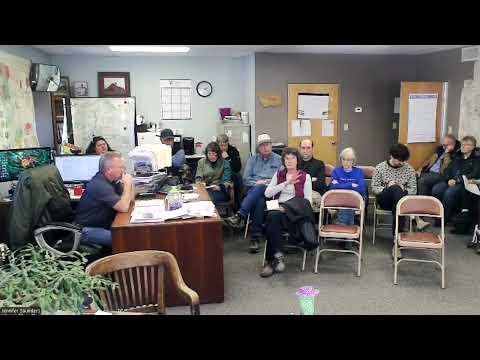
Residents at a Fergus County commissioners meeting urged officials to consider zoning and other protections before allowing data centers, citing worries about water use, strain on the power grid and long-term noise and air impacts; a public forum was scheduled for March 19.
Andrea Payne, a local resident, told the Fergus County Board of Commissioners that people in the community are concerned about potential data centers and their effects on the county’s rural quality of life. "Data centers use a lot of water," Payne said, and she warned that the overuse could "dry up domestic wells and aquifers." Payne also raised energy and noise concerns and said residents plan a March 19 forum at the Council on Aging to get outside experts and county residents together.
The public-comment speakers outlined three core worries: large water consumption, increased demand on the electrical grid and constant low-frequency industrial noise. Resident Roger Lohr said his research showed "the numbers are incredibly high for water usage and electrical usage" and questioned how the county would benefit economically, noting construction jobs are temporary and ongoing staffing needs are often small.
Commissioners responded by describing the limits of local authority and options for exerting local control. Chair (speaker 2) said water rights and allocation would be determined by the state agency (transcript reference: DNRC) and noted that utilities and rate-setting are handled through the Public Service Commission. The chair explained zoning is one mechanism to shape future development but described it as a complex, community-driven process that may require a majority of affected landowners and substantive study. "If you really want to have local input… that's how you do it," the chair said, while cautioning that zoning and neighborhood-specific protections are not simple or cheap.
Speakers urged transparency and early engagement. Payne said her group will "be very specific about the concerns for data centers" at the March meeting, and asked commissioners to consider forums and conversations with the county land-use attorney and staff. Several speakers noted examples from other Montana counties that pursued countywide or "good neighbor" zoning to set setbacks and restrict certain industrial uses.
The public comments did not request or trigger any immediate formal action during the meeting; commissioners and staff discussed preliminary next steps including coordinating a public forum and consulting the county’s land-use attorney for options. The commission did not adopt zoning at the meeting and made no formal commitments to bar or approve data-center development.