Get Full Government Meeting Transcripts, Videos, & Alerts Forever!
Get email alerts on the Public Safety Ems topic
No spam. Unsubscribe anytime.
County weighs expanded EMS coverage as volunteer shortages and response delays grow
Summary
Woodbury County emergency services leaders described rising call volumes and daytime EMT shortages, prompting supervisors to consider budget options, staffing models and—if needed—a voter referendum to designate EMS an essential service.
Emergency Services Director Drew Beyer told residents the county's duty-crew model provides paramedic-level support to volunteer departments, but said increasing call volumes and volunteer shortages are stretching coverage in rural areas.
"The big problem we have right now is just the call volume is increasing," Beyer said, describing how paramedics support volunteer squads and sometimes must travel between units to ensure advanced care is available.
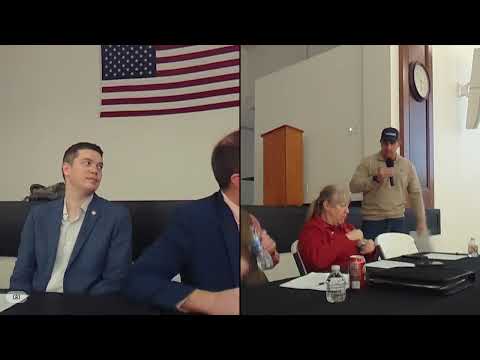
Residents recounted incidents that illustrated response delays: a supervisor described a case last winter where it took almost 40 minutes for an ambulance to arrive after multiple volunteer units were unavailable. Supervisors and volunteers agreed that daytime staffing is the most acute problem because volunteers are often unavailable during work hours.
Board members asked Drew to compile historical response-time and call-level data for the budget process so taxpayers can see trends before the board considers any additional tax-supported staffing. Supervisors discussed options ranging from preserving near-24/7 paramedic coverage to hiring limited-day staff schedules to reduce costs and avoid displacing volunteer roles. The board also noted a state law pathway exists for counties to place a referendum before voters to make EMS an essential service, a step some counties have taken only after public discussion.
Officials asked residents to provide feedback during the budget process and said the board will weigh data, volunteer commitment and tax impacts before proposing changes.