Get Full Government Meeting Transcripts, Videos, & Alerts Forever!
Get email alerts on the Wastewater topic
No spam. Unsubscribe anytime.
Parish official says wastewater master study will prioritize sewer rollouts, generate grant requests
Summary
At a Gibson town hall, a parish official announced a wastewater master study expected to produce community-by-community cost estimates and priorities to pursue state and federal grants; officials said treatment-plant capacity and property-rights agreements will shape which neighborhoods can be served first.
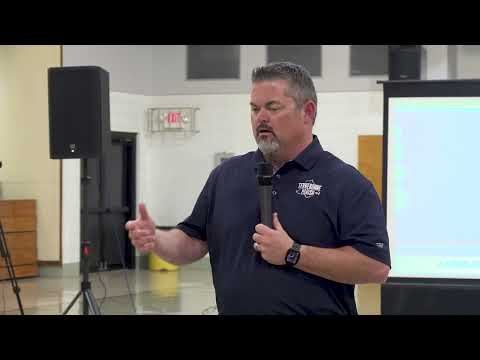
GIBSON, La. — A senior parish official told residents at a Gibson town hall that a forthcoming wastewater master study will determine which rural neighborhoods can get public sewer and how much grant funding the parish must seek to pay for it.
The official said the study — “probably a $2,000,000 study for the wastewater plan” — will produce the cost estimates needed to apply for state and federal grants and help the parish and council prioritize which communities to serve first. He emphasized that communities that request service and agree to participate will rank higher in the parish’s rollout plan.
Why it matters: many rural areas in Terrebonne Parish lack public sewer connections. Installing sewer in a neighborhood can require not only local collection lines but forced mains, pumping capacity and upgrades at the north or south treatment plant. The official warned that bringing a single community online could be millions of dollars: “If I know to bring Gibson on, it’s gonna cost, say, $10,000,000,” he said as a round figure.
The official said short-term alternatives and pilot programs from partners such as VidNet and South Central Planning may provide interim options in some waterways, but the master plan is intended to create a parishwide, prioritized list so staff know how much to request when applying for water-sector grants and other funding pools, including Delta Regional Authority and HUD recovery dollars.
He described several project constraints that the study will examine: treatment-plant capacity at the north and south plants, the length of forced mains needed to deliver sewage to those plants, and whether pump stations and plant upgrades are required to accept new flows. He also said drainage and levee agreements on private property are a separate legal hurdle in some neighborhoods, and the parish will seek property-owner agreements before commissioning legal documents.
Residents pressed officials about service delays and billing. One resident described long waits for access to public sewer and asked whether customers who do not receive sewer are nonetheless charged; the official said water/sewer authority billing and separate utility entities can complicate the situation and promised to check the billing status for callers who provide addresses.
The official stressed timing and environmental review requirements for projects funded with federal recovery money, noting the need to complete environmental compliance before work begins. He said the wastewater plan should be publicly posted when ready and estimated the plan could be delivered by year’s end.
The next steps: parish staff will finish the wastewater master plan, publish public-facing material about findings, and use the plan’s cost estimates to pursue identified grants and projects. The official urged residents to provide location-specific information to help staff follow up on individual sewer complaints.