
Finance committee: unaudited 2025 shows $2.6M shortfall; health‑insurance overrun flagged
Get AI-powered insights, summaries, and transcripts
Subscribe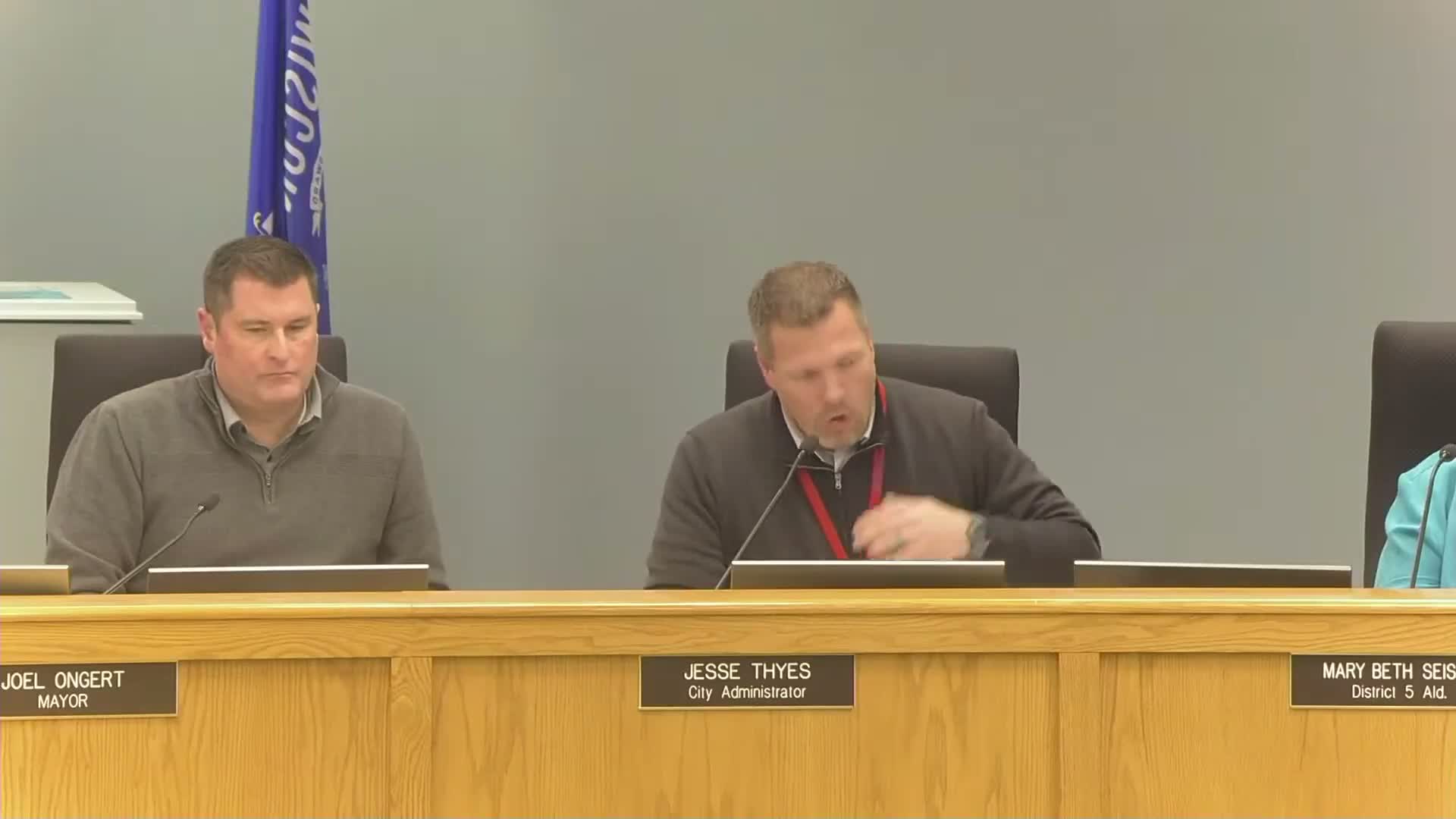
Summary
City finance staff reported an estimated $2.6 million unaudited net loss for 2025, driven by a $2.2M land purchase for a new fire station and a $1.17M health‑insurance overrun; officials said expected SAFER grant and flood‑insurance reimbursements (about $810,000 combined) should partially restore fund balance in 60–90 days.
At the March 2 finance committee meeting, staff presented unaudited 2025 results showing an estimated net loss of about $2.6 million and a projected decline in undesignated general‑fund balance from 28.06% to 25.13% compared with the 2026 budget.
S10 (Jesse) and S11 (Carrie) explained three primary factors behind the unaudited position. Jesse said a planned use of $2.2 million in undesignated fund balance was used to purchase land for a new Fire Station 1; that action had been budgeted and executed in 2025. Carrie and Jesse also identified a $1.17 million overrun in the city’s health‑insurance program driven by elevated claims, which they said requires further analysis with human resources and the carrier.
Jesse said the city is also awaiting revenue expected to offset part of the shortfall: approximately $483,000 in SAFER federal grant funds delayed during a partial federal shutdown and about $327,000 in pending flood‑insurance reimbursements. Officials told the committee they expect those amounts to be processed within about 60–90 days and that, when realized, the undesignated fund balance would rebound to roughly 27.42%.
Carrie added Baker Tilly will perform the formal independent audit and is expected to present audited results at the committee’s June meeting. Committee members asked for staff to dig into health‑insurance claims to identify whether behavioral, safety training or other interventions could reduce future costs.
Resolution 61, which carries forward specific 2025 appropriations into 2026 (for projects, donations tied to funds, and other previously designated uses), was also presented and approved; Jesse described the typical reasons for carryforwards and noted some funds are siloed by prior resolution and cannot be redirected without action.
What’s next: staff will work with HR and the insurer to analyze the health‑insurance overage, and Baker Tilly will deliver a formal audit presentation at the June meeting. The committee approved Resolution 61 and recommended routine fiscal monitoring as pending revenues are realized.