Get AI Briefings, Transcripts & Alerts on Local & National Government Meetings — Forever.
Meeting participant warns presidential leverage and USDA guidance could threaten SNAP recipients
Loading...
Summary
A meeting participant said recent USDA guidance changes and political brinkmanship could leave millions of Supplemental Nutrition Assistance Program recipients facing much higher costs as open enrollment begins; the participant cited contingency funds and demographic estimates in the transcript.
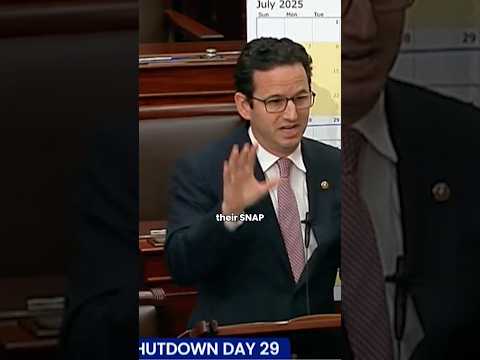
A meeting participant warned that recent political brinkmanship and a change in U.S. Department of Agriculture guidance could leave millions of Supplemental Nutrition Assistance Program (SNAP) recipients facing higher costs as open enrollment begins.
The participant said open enrollment starts Saturday and that "about 24,000,000 Americans... are about to face roughly a doubling of their health care costs," adding some people could see increases of "30%" or "70%" or even a threefold rise. The comment attributed rising costs to policy choices and to the use of benefit access as leverage in federal standoffs.
The participant quoted the president’s reported words, saying the president had declared, "I'm going to cause millions of Americans to not have enough food on their table," and characterized that as using food access as a bargaining tool. The participant also said the United States Department of Agriculture initially told agencies it had "$5,000,000,000 in contingency funds" to maintain SNAP benefits during a shutdown but that the agency "abruptly" changed its guidance "like 4 or 5 days ago."
The remarks framed SNAP as a backstop for low-wage workers and others, with the participant saying roughly "40,000,000 people" receive SNAP and that "about 20,000,000" of them work, while many of the remainder are elderly or disabled. The participant linked those figures to a broader critique that stagnant minimum-wage policy and weak labor support leave working households dependent on benefits to avoid hunger.
The transcript records no response from USDA officials or other on-record rebuttals to the participant’s assertions. No formal action or vote on SNAP policy is recorded in the provided transcript.
The transcript presents these numbers and the account of changed guidance as claims made by the participant; the transcript does not record independent verification of the contingency-fund figure or the guidance change within these segments.