Get AI Briefings, Transcripts & Alerts on Local & National Government Meetings — Forever.
Senator urges ban on algorithm-driven social media for minors, backs "Kids Off of Social Media Act"
Summary
A senator urged the Senate to pass the "Kids Off of Social Media Act," calling for a minimum age to join social platforms and a ban on algorithmic browsing for users aged 13–17. The speaker described platform design as deliberately addictive and said incremental House proposals are insufficient.
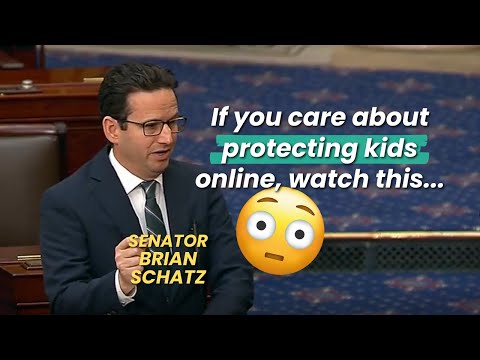
A senator on the Senate floor urged swift passage of the "Kids Off of Social Media Act," calling on Congress to set a minimum age to join social platforms and to prohibit algorithmic browsing for minors.
"Tech companies have specifically designed their platforms to hijack the frontal lobes of impressionable children and feed them a never ending stream of content that keeps them scrolling for hours," the senator said, arguing the design of platforms and their profit motive make parental controls insufficient.
The senator framed the situation as a national youth mental-health emergency and criticized narrow House proposals under consideration by the House Committee on Energy and Commerce as "nibbling around the edges." The speaker described the Senate bill as simple in approach: set a minimum age threshold to access social media and, for permitted minors (about ages 13–18), ban algorithmic browsing so feeds show only direct social exchanges rather than algorithmically prioritized content.
The senator said the proposal would make social apps resemble earlier, friend-only versions of platforms: "It's like the old Facebook, where it's just your friends. ... Fun, useless, but not damaging," the senator said.
The senator cited cross‑party parental concern and named Senators Ted Cruz and Katie Britt as colleagues who supported aspects of the effort, saying parents "across the political spectrum" want government help to delay minors' exposure to algorithmically served content.
On the floor the senator also asserted a legal basis for action, saying lawmakers have "a perfect right to do under statutory law" to set such thresholds and safeguards. No formal vote or motion was recorded in the transcript.
The speaker concluded by urging Congress to adopt a comprehensive measure rather than incremental fixes when sending legislation to the president's desk.