Get Full Government Meeting Transcripts, Videos, & Alerts Forever!
Get email alerts on the Zoning topic
No spam. Unsubscribe anytime.
Architect and residents urge more study of proposed Fairview development code
Summary
During a public hearing on Ordinance 2026‑002, community commenters and an architect argued the draft Fairview Development Code is overly restrictive and may conflict with the city's 2040 plan and local building practices; the board did not vote on the code at this meeting.
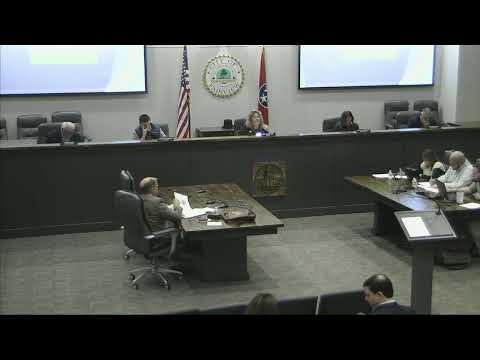
The board reopened a public hearing on Ordinance 2026‑002, a proposed replacement of Fairview’s zoning ordinance with a new Fairview Development Code. David Bynum, who gave his name and city address during public comment, told the board he had submitted roughly 95 written comments and urged the council to send the draft back for additional study.
Bynum said the draft code contains provisions that would prevent familiar construction practices in existing neighborhoods, arguing that ‘‘the code will prohibit houses from being slab on grade’’ and that the proposed front‑floor height requirements (18 inches to 36 inches above grade) could render some currently permitted houses noncompliant. He also criticized allowances in the draft that could permit substantial new uses in rural zones (for example, nursing homes, inns and amphitheaters), saying that conflicts with the goals of the Fairview 2040 plan and that narrow rural roads would not suit certain high‑traffic uses.
City staff and the mayor acknowledged the concerns and said they planned further review. Planning staff (Mr. Greer) had earlier reported a planning commission recommendation on other items; during this hearing the board closed the hearing without taking action on Ordinance 2026‑002 and did not adopt the code at this meeting.
Members of the board encouraged the public commenter to provide presentation materials and offered to meet with the city planner to review specific issues. No formal vote on the ordinance occurred; commissioners said they wanted to ensure the drafting and review process avoids costly, frequent revisions.