
Medical examiner reports sharper caseload and stronger drug concentrations, seeks PTSD benefits and testing support
Get AI-powered insights, summaries, and transcripts
Subscribe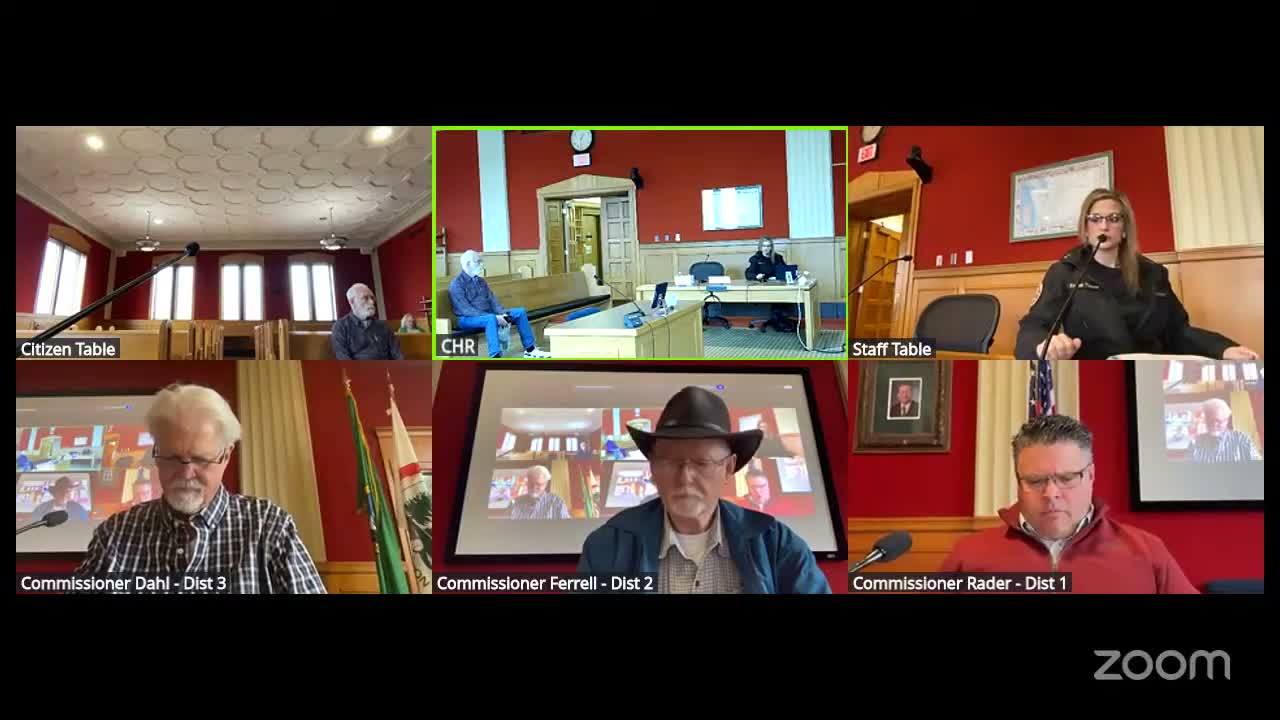
Summary
Cowlitz County’s medical examiner said the office saw 73 more jurisdictional cases in 2025 than in 2024, described heavier call volume and higher toxic drug concentrations, reported new in‑office quantitative testing and noted reimbursement limits and pending state legislation affecting coroners.
Dana, the county medical examiner/coroner, told commissioners the office’s workload has grown sharply and the nature of drug deaths is changing. "We had 73 more in '25 than we did in '24, which is a lot," Dana said, and added: "This year alone, we've already had 80 calls out just from the first of the year."
Dana broke the caseload into categories and numbers: accidents rose (115 in 2025 vs. 94 in 2024), drug‑related overdoses fell modestly (51 in 2025 versus 62 in 2024), and motor‑vehicle crashes with drug or alcohol involvement accounted for multiple fatalities (8 of 17 examined in one sample had substances present). She also said fentanyl detections have declined in count but increased in measured concentrations: "Our highest was 340," she said when describing the strongest samples the office has seen.
The office has begun in‑house quantitative testing to speed case triage, Dana said. That shift has allowed staff to avoid some autopsies; the machine provides ranges to help determine whether toxicology levels warrant full autopsy and laboratory send‑outs. Dana described the office’s 2024 autopsy bills and reimbursements: infant autopsies (three in the year cited) generated full reimbursement, while other autopsy costs ran about $167,003.79 with roughly 40% recoverable under current state reimbursement practice.
Dana also flagged legislative proposals affecting coroners and medical examiners. She said a bill that would have made coroners appointed rather than elected did not advance; she said coroners are also pursuing a PTSD bill to secure benefits for the office's staff, who she argued qualify as first responders in experience even if they are not currently covered in the same benefit category. "We've been fighting for that one," Dana said.
Commissioners asked for clarifications about testing, costs and staffing. Dana said the county participates in the Washington Association of Coroners and Medical Examiners and that the association is pursuing increased forensic funding and incentives to recruit pathologists; she described state‑level shortages and a statewide effort to fund training and retention.
What’s next: Dana offered to return with additional breakdowns, and commissioners thanked her for the update. The office’s immediate needs noted during the briefing include faster lab turnarounds and legislative action on PTSD and staffing incentives.