Get Full Government Meeting Transcripts, Videos, & Alerts Forever!
Get email alerts on the Commission Governance topic
No spam. Unsubscribe anytime.
Seaside advisory panel debates its purpose, frequency and funding role
Summary
Members of the Bob Chisholm Community Center Commission debated whether the body should remain advisory, how often it should meet, and whether to seek delegated authority or a city budget line for an annual work plan and outreach activities.
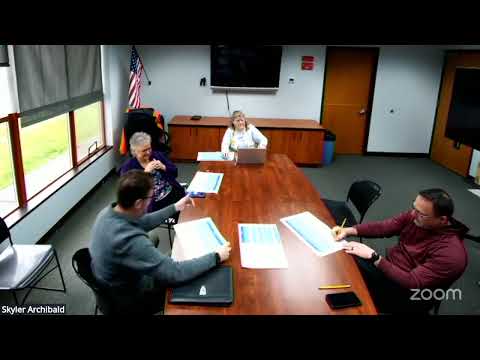
The Community Center Commission met March 4 to review a draft of its functions and to weigh whether the advisory body should retain a regular role advising the City Council on programming, outreach and facility needs. Members said the commission brings perspectives and institutional memory that staff or council alone may not provide.
“Public involvement is the number one land‑use planning goal for the state of Oregon,” said a City councilor and Sunset Empire Transportation Commissioner during discussion of the commission’s purpose, arguing public input and user perspectives justify the commission’s continued work. The Chair noted the commission’s consulting role, saying it exists “to advise the city council on matters related to use, operations and programming of the Bob Chisholm Community Center.”
Discussion focused on several practical questions: how frequently the commission should meet (members favored monthly meetings to maintain momentum and oversight), what time commitment is reasonable (commissioners estimated about two hours per month plus incidental work), and whether staff could substitute for commissioners’ perspectives. Staff described the commission as a way to capture diverse viewpoints — seniors, youth users and other constituencies — that might otherwise be underrepresented at council level.
Members also proposed formalizing the commission’s outputs through an annual work plan and progress report to council. The Chair said an annual work plan would allow the commission to request specific budget items for activities such as surveys or outreach and would give council a clearer picture when approving funds. Commissioners emphasized that, historically, commissions have not had dedicated line items and any discretionary spending would require council approval unless a line item were established.
On appointments, members reiterated the recruitment timeline: applications submitted for council consideration could be nominated at the next council meeting and then typically interviewed two weeks later. The commission reported two prospective applicants who had expressed interest and urged interested community members to submit application materials promptly.
Next steps: members asked staff to circulate the grant and policy materials discussed at the meeting, to bring a quarterly foundation finance report at the following meeting, and to review the draft function statements before the next session. No formal votes or ordinance changes took place; the meeting closed with members agreeing to continue refining the commission’s proposed functions and work plan.