Half Moon Bay council adopts midyear amendment, boosts reserves
Loading...
Summary
The City Council unanimously adopted a midyear amendment to the FY2025–26 operating and capital budget after a staff presentation showing stronger‑than‑expected transient occupancy tax (TOT) receipts; the council approved replenishing reserves and small accounting adjustments.
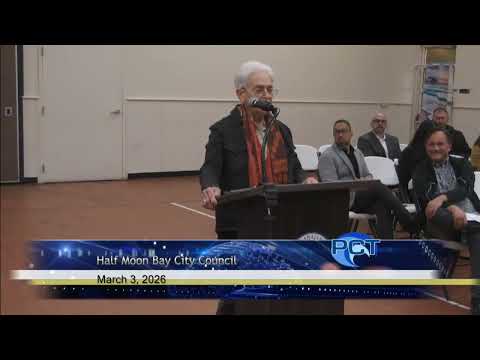
The Half Moon Bay City Council on March 3 adopted a midyear amendment to the FY2025–26 budget after receiving a staff midyear review showing higher transient occupancy tax and modest revenue gains.
Finance staff said transient occupancy tax (TOT) receipts have recovered since last year and that current trends support a revised year‑end TOT estimate of about $9.9 million, higher than the $8.6 million adopted budget figure. Property tax timing effects and Measure R sales tax receipts also contributed to an upward revenue adjustment. Staff recommended accounting clean‑ups and replenishing the city’s reserves toward a policy target of roughly 50% of operating expenditures.
The council asked staff to clarify the role of vehicle‑in‑lieu fees (VLF) and one‑time timing issues that had skewed property tax comparisons; staff confirmed the forecast includes a timing bump and noted VLF remains a point of uncertainty. After questions were answered, the council moved and seconded a resolution that amends the FY2025–26 operating and capital budget per staff recommendations.
By roll call, the motion carried unanimously. Council members voting in favor were Brownstone, Johnson, Nagengast, Vice Mayor Penrose and Mayor Reddick.
Why it matters: The midyear amendment formalizes adjustments that staff said reflect improving tourism and transactional tax receipts since the adopted budget. Council members framed the vote as a cautious step to restore reserves after years of deficit management while remaining mindful of next year’s structural budget pressures.
Implementation and next steps: Staff said the adjustment includes mostly revenue revisions and accounting cleanups; there were no material expenditure increases. Council flagged the upcoming priority‑setting session (March 14) and the five‑year forecast as the next points for policy guidance. The council’s adopted resolution will appear in the March consent calendar packet for implementation details.