Conversion of former superintendent’s resignation to retirement draws criticism
Loading...
Summary
Community members and several trustees criticized a personnel report line that retroactively changed former superintendent John Paramo’s separation from 'resignation' to 'retirement,' arguing it creates a district-funded health obligation and may conflict with board policy; board agreed to pull the line for counsel review.
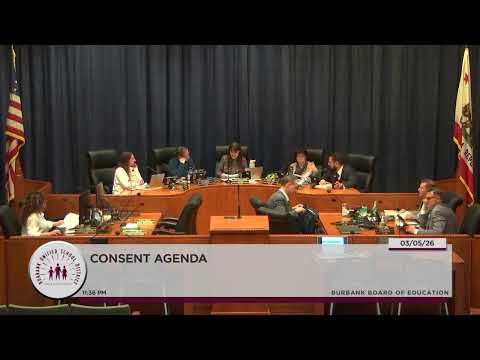
At the March 5 board meeting, several public speakers and some trustees questioned a personnel report entry that retroactively revises former superintendent John Paramo’s June 5, 2025 separation from 'resignation' to 'retirement,' a change that would make him eligible for district‑paid health benefits until age 65.
Speakers including Daniel Hacking, Andrea Lam and Jeff Vanderboerdt said the move contradicts past board statements that Paramo’s resignation would not result in a settlement package and argued the change creates additional district costs during a period of budget cuts. Several speakers cited board policy language they said disallows withdrawal of a resignation and asked why the board would approve a retroactive benefit change now.
Board reaction and next steps: Trustees debated the legal and policy implications. Some members said the change followed prior practice and counsel advised it could be processed; others said the practice differs from policy and expressed principled opposition. The board agreed to pull the personnel item for further closed‑session consideration with counsel and to agendize a more detailed discussion of district procedures for conversion of separation status.
Why it matters: The conversion could cost the district roughly $100,000 in health benefit reimbursements for the period cited by speakers and raises governance questions about consistency, transparency and whether past board statements were accurate. Trustees asked legal counsel to return with options and recommended language clarifying when such conversions may be allowed in future board policy.
Outcome: The consent agenda was approved as amended with the contested personnel line removed for further counsel review; the board directed staff to place the matter on the next closed‑session agenda for a conference with counsel.