
House Judiciary Committee adopts substitute for H.R. 7640, the "Shut Down Sanctuary Policies Act," and reports bill to the House
Get AI-powered insights, summaries, and transcripts
Subscribe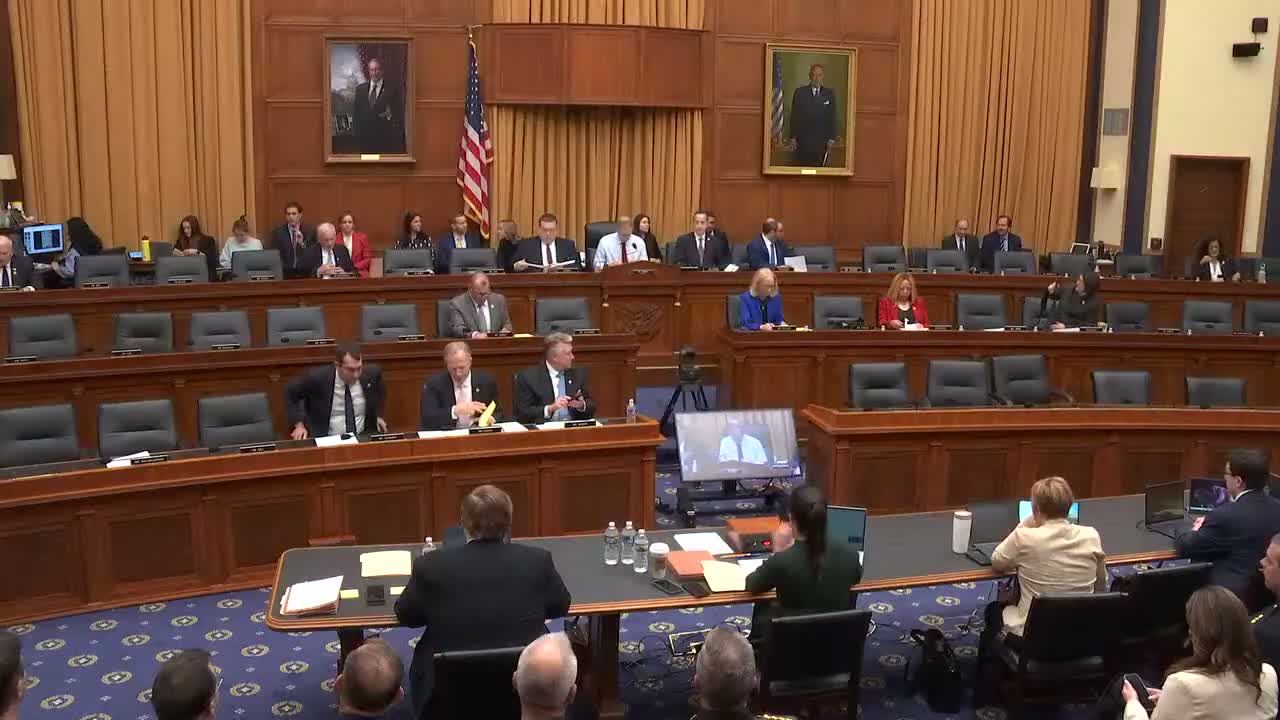
Summary
The House Judiciary Committee on Thursday adopted an amendment in the nature of a substitute to H.R. 7640, the "Shut Down Sanctuary Policies Act," after heated debate over federal funding conditions, the anti‑commandeering doctrine and Fourth Amendment protections; the bill was reported favorably to the House on a 22–11 roll call.
The House Judiciary Committee voted to report H.R. 7640, the "Shut Down Sanctuary Policies Act," after adopting an amendment in the nature of a substitute, concluding a day of contentious debate over federal funding conditions, constitutional limits on federal authority over state and local officials, and procedural protections for searches and detentions.
Representative McClintock, the bill's sponsor, framed the measure as a public‑safety reform designed to preempt so‑called sanctuary policies and to enable state and local jurisdictions to enter agreements with federal immigration authorities without fear of state penalties. "It allows local jurisdictions to enter into agreements directly with the federal government to enforce immigration law," McClintock said in his opening remarks, urging colleagues to back the substitute as a way to protect victims and cooperating officers.
Opponents, led by the committee's ranking member, argued the measure crosses constitutional lines by effectively creating a statutory right for state and local officials to participate in federal immigration enforcement and by conditioning broad categories of federal grants on compliance with federal immigration priorities. The ranking member warned the bill "goes way beyond sanctuary cities" and said it risked stripping money from programs that fund anti‑trafficking, domestic‑violence and community‑safety work.
Members on both sides repeatedly cited Supreme Court precedents. Supporters pointed to the spending power and decisions allowing Congress to condition funds; opponents cited anti‑commandeering rulings (for example, the cases commonly discussed in the hearing were Prince and Murphy) to say the measure could coerce state and local governments by threatening to withhold federal law‑enforcement grants.
The committee debated and rejected multiple amendments intended to narrow the bill's funding‑cutoff provisions or to protect specific grants for victim services. One amendment from the gentlelady from Georgia seeking to preserve multi‑jurisdictional task‑force funding was defeated (clerk announced 9 ayes, 17 noes). Another offered on behalf of members seeking to preserve access to funds for victims of trafficking and sexual assault was also rejected in recorded votes. Lawmakers also sparred over whether administrative warrants used by DHS and ICE are sufficient to enter homes for immigration enforcement; proponents of a warrant requirement warned of mistaken entries and harm to U.S. citizens, while opponents said administrative warrants are longstanding in immigration removals.
The panel also considered proposals targeting operational practices — including a measure to bar state or local officers co‑opted into immigration work from wearing masks to conceal their identity — and heard accounts of viral videos and alleged impersonations that supporters said risk public safety and accountability. Opponents said officers sometimes mask to protect themselves and their families from doxxing and threats.
After amendments were disposed of, the committee adopted the amendment in the nature of a substitute and ordered the bill reported favorably to the House. The clerk announced the final roll call on reporting as 22 ayes and 11 noes. The chair told members they would have two days to submit additional views and that staff could make technical and conforming changes to the reported text.
What happens next: with the committee's favorable report, H.R. 7640 moves to the House floor for possible further action. Members on both sides signaled continued disagreement about the bill's constitutional scope and its real‑world effects on victim services and local policing priorities, leaving the broader policy fight likely to continue if the bill reaches the full House.