
Energy Secretary Chris Wright says U.S. is not targeting Iran’s energy infrastructure after Tehran strikes
Get AI-powered insights, summaries, and transcripts
Subscribe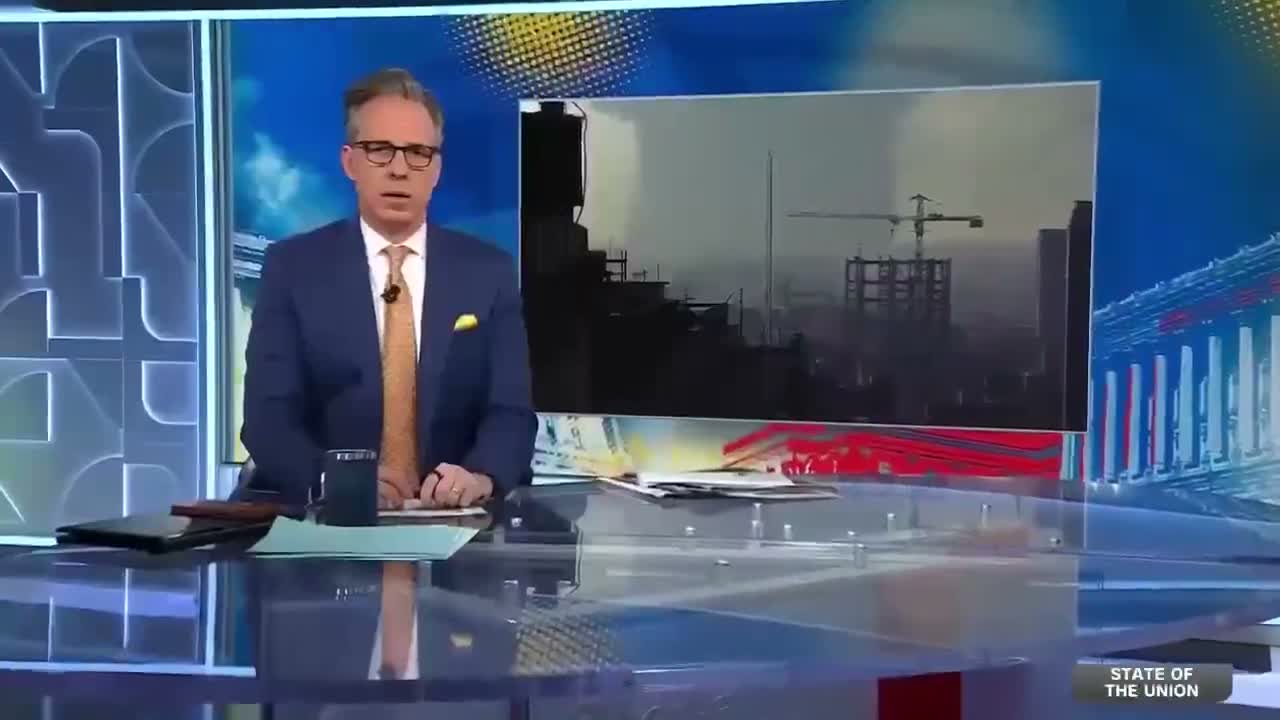
Summary
In a television interview, Energy Secretary Chris Wright said the United States had no plans to target Iran’s oil or gas infrastructure after Israeli strikes on Tehran fuel sites and sought to reassure Americans about near-term fuel supplies, while emphasising broader U.S. security concerns about Iran.
Chris Wright, President Trump’s energy secretary, said in an interview that the United States had no plans to target Iran’s oil, gas or other energy infrastructure after Israeli strikes on fuel sites in Tehran.
"No," Wright said when asked whether the U.S. would join in targeting Iran’s energy industry, adding that the reported strikes appeared to be against "local fuel depots" rather than strategic energy infrastructure. The interview opened with the host describing images from Tehran of thick black smoke and reports that oil was falling from the sky.
Wright acknowledged that strikes on fuel sites have air-quality implications but framed the wider policy debate around his criticism of the Iranian government. He called Iran's ruling authorities "a murderous regime," and in recounting past incidents referenced hostage-taking and attacks on U.S. forces. Wright also repeated an unverified claim about deaths in recent Iranian protests, saying the regime had recently killed "somewhere between 10 and 30,000" protesters; he did not provide a source for that figure.
On the economic front, Wright defended the Trump administration’s approach to energy prices, saying the administration’s goal is to lower costs for consumers. He said gasoline prices were ‘‘about $1.50 a gallon cheaper’’ than during the middle of the Biden administration and predicted that price spikes tied to the Tehran strikes would be short-lived. "In the worst case, this is a week's," Wright said when asked how long disruption might last; he called longer-term disruptions "not months" in the typical scenario.
The host raised the strategic importance of the Strait of Hormuz—through which roughly one-fifth of global oil shipments transit—and asked whether U.S. naval escorts had begun. Wright said a large tanker had passed through the strait about 24 hours earlier and that U.S. efforts were focused on "attriting" Iran’s missile and drone capabilities to reduce the risk of disruption. He asserted substantial reductions in Iranian missile launches and drone attacks but did not cite sources for the specific percentage figures he gave.
On sanctions policy, the host said the Treasury Department had issued a 30-day waiver allowing India to buy Russian oil. Wright said the broader U.S. policy toward Russia had not changed and described India as a partner; he said U.S. officials had spoken with Indian counterparts and proposed shifting floating cargoes to Indian refineries as a short-term measure to ease market fear and price spikes.
The interview closed with the host thanking Wright for his time. Many of Wright’s numerical claims—casualty estimates, percentage reductions in missile and drone activity, and timing for a full resumption of Strait of Hormuz traffic—were stated without sourcing in the interview and could not be verified from the program.