Get Full Government Meeting Transcripts, Videos, & Alerts Forever!
Get email alerts on the Budget topic
No spam. Unsubscribe anytime.
Cary Council begins FY27 budget process, asks staff to sharpen pillars and public engagement
Summary
Town managers and finance staff opened the FY27 budget process and proposed clear 'pillars,' a March preview packet and a May 7 target for the manager's recommended budget. Council asked for clearer pillar definitions, demographic data and more avenues for citizen input.
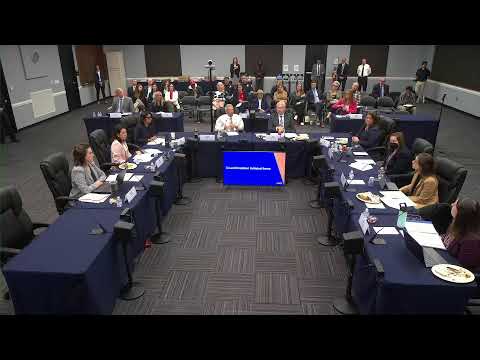
The Cary Town Council on Jan. 8 heard staff launch the FY27 budget process and asked officials to sharpen priorities and broaden public engagement.
Interim Town Manager Russ Overton told the council the meeting formally begins the fiscal year 2027 budget process and reminded members that state law designates the town manager as the budget officer. "Per North Carolina general statutes, you have to have a budget officer...this statute says that the city manager shall be your budget officer. So that is me," Overton said.
Council members were asked to give early feedback on three staff goals for the budget process: clearer communication, more collaboration and more conservative revenue and expenditure estimates. "We want to be clear...we want to be more collaborative...and we're going to try to be more conservative with our revenue estimates and expenditure estimates to ensure some of that long term financial security," Liam, a member of the finance team, told the council.
Why it matters: Council members said defining the budget pillars and explaining what ‘‘service levels’’ mean will help residents understand trade-offs—such as between low taxes and maintaining programs—and make decisions more transparent. Staff said it will deliver a preview packet in March with financial highlights, capital-project schedules and key requests, and will present the manager's recommended budget on May 7.
Among council requests, members asked staff to include demographic and population-projection data in the March packet so long-range service planning reflects likely community changes. Several members urged interactive tools so residents can see how changes to tax rates or debt service affect services; staff said they plan to reuse interactive spreadsheets from prior years and will explore options for online engagement and a budget open house.
Council also pressed staff about early revenue indicators. Finance staff said preliminary results show a healthy fund balance and that sales-tax collections were up roughly 6% year over year in the third month of collection, but cautioned the sample is small and that rising expenditures make conservative forecasting prudent.
The council did not take any formal budget votes at the session; staff framed the night as an early-stage briefing meant to gather priorities and guide the calendar for further review and public input.
What’s next: Staff will prepare the March preview packet and proposed pillar definitions for further council discussion at the retreat and follow-up work sessions.