
Council debates DWP overtime changes after staff explanation of MOU implementations; item recorded with 9–1 tally
Get AI-powered insights, summaries, and transcripts
Sign Up Free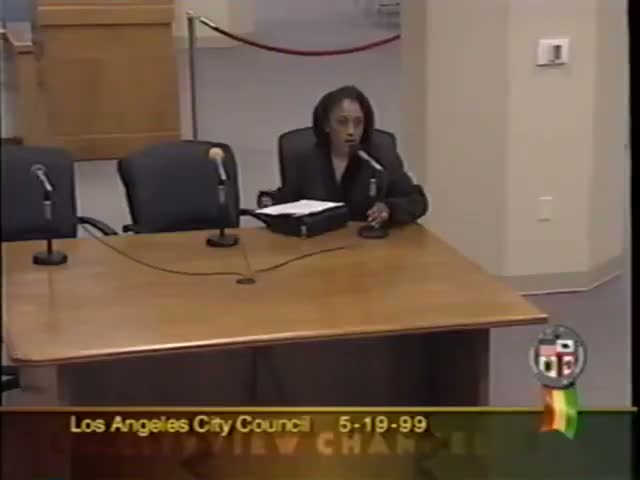
Summary
Council heard an explanation from the Department of Water and Power and city staff about implementing negotiated pay provisions that raise overtime cutoffs for certain DWP engineer and architect classes; critics cited a 1994 CAO report alleging prior overtime abuse and questioned the fiscal implications; the matter was recorded with 9 ayes and 1 no and the ordinance was held for further action.
The Los Angeles City Council debated implementing ordinances arising from recent Department of Water and Power negotiations that change overtime eligibility and pay provisions for engineers and architects.
Albert Maguene, appearing for the Department of Water and Power, told the council the amendment implements overtime and standby-pay provisions for engineer and architect bargaining units and aligns certain releases and standby-pay arrangements with council-controlled departments. He said the DWP had negotiated cutoffs and caps that differed from the city’s historical thresholds.
City administrative officials explained that past council actions set a citywide salaried cutoff that had not been implemented at DWP; DWP established a higher cap for overtime eligibility and later negotiated changes that raised the DWP cap to about $93,600 for purposes of overtime calculations. The CAO explained that the city’s own cap had moved to about $81,200 after inflation adjustments.
Several council members recalled a 1994 CAO report that identified abusive overtime practices at the DWP and sharply criticized raising the cap now. One council member summarized findings that highly paid DWP employees had received substantially more overtime than counterparts in other city departments and said the change could increase ongoing costs by about $1 million. Other members noted that the proposed ordinances implement prior approvals and that the recommendations had gone through the Employee Relations Commission.
After debate, the council tabulated a vote recorded in the clerk’s tally as 9 ayes and 1 no. The council noted the item’s budgetary impacts and discussed whether to reopen negotiations or instruct the DWP general manager on future bargaining authority; staff noted DWP contracts are negotiated by the department’s general manager and certain contracts had been extended to 2002.
What happens next: The ordinance implementing the negotiated changes was recorded and requires follow-up on negotiation authority and possible further council instruction to the DWP general manager; council members asked staff to review management overtime policy in future negotiation cycles.
Ending: Council discussion closed with a recorded tally and instruction notes about negotiation authority; no immediate rollback was ordered in the meeting record.