
State highway-safety officials cite impaired-driving trends, limits in drug testing and policy tools under consideration
Get AI-powered insights, summaries, and transcripts
Subscribe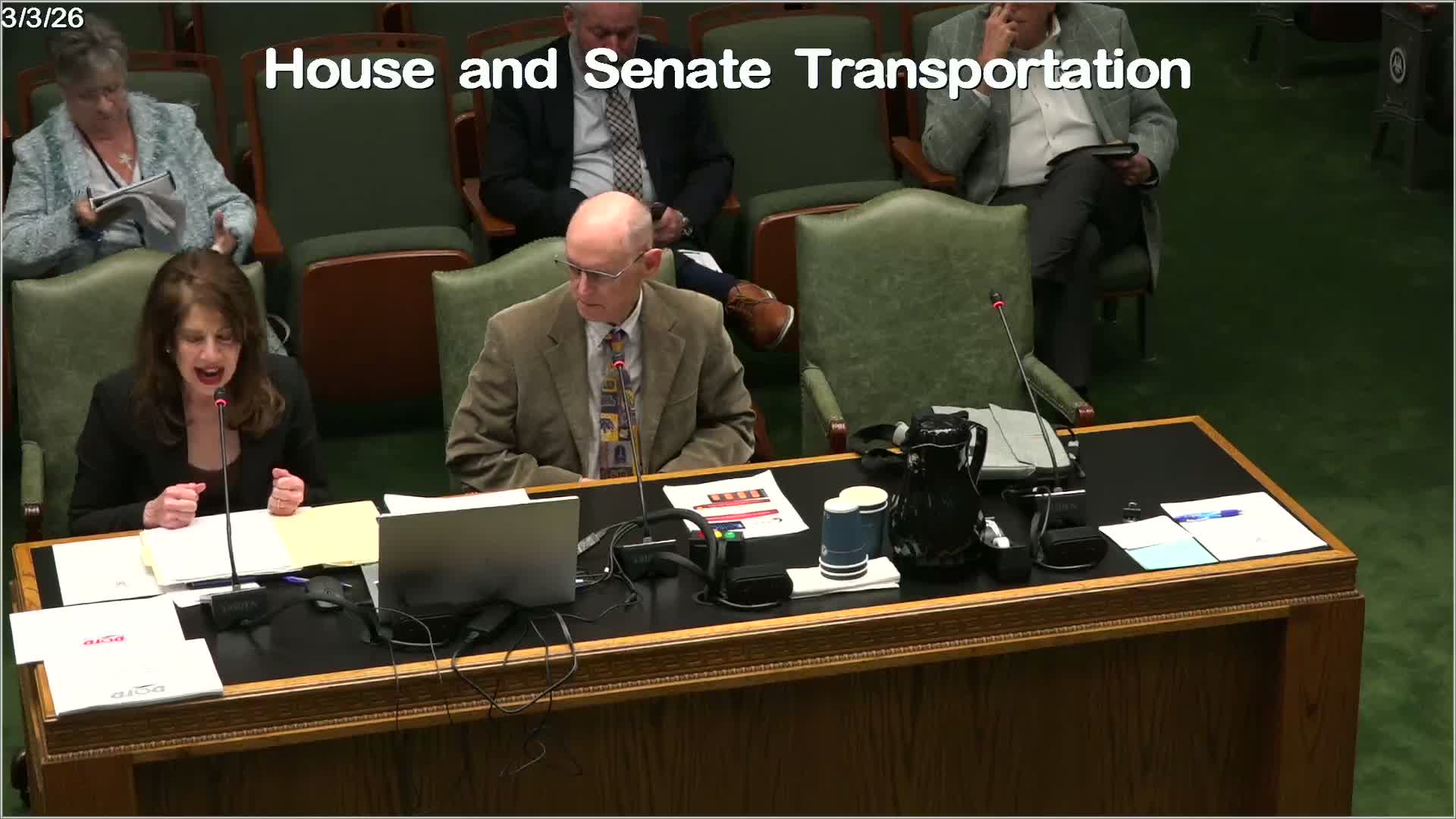
Summary
The Louisiana Highway Safety Commission presented 2024 crash and impaired-driving data (753 fatalities in 2024, with impaired driving accounting for about one-third of those deaths by the Commission's measures) and described limits in drug-testing capacity, economic costs and potential countermeasures including ignition interlock, screening and oral-fluid testing.
Lisa Freeman, executive director of the Louisiana Highway Safety Commission (LHSC), and Dr. Helmut Schneider from LSU's Center for Analytics and Research and Transportation Safety (CARDS) briefed the committee on impaired-driving trends and countermeasures.
Freeman told legislators that the Commission administers federal highway-safety grants to reduce crashes and that impaired driving is a leading contributor to fatalities. She said the finalized 2024 fatality count was 753 and that roughly one-third of those fatalities were associated with impaired driving when alcohol and available drug-test results are combined. "This is actually an improvement from the prior three years... but still so much work to do," Freeman said.
Dr. Schneider presented CARDS data showing declines in overall fatalities since the 2021 high but cautioned that drug-impaired driving data are incomplete because forensic testing often stops once a driver's blood-alcohol concentration exceeds the 0.08 statutory level. He reported that of tested DWI arrestees with no alcohol detected, 81% had illegal drugs in their system, 42% had marijuana metabolites and 32% had narcotics such as fentanyl; he also summarized that many cases involve poly-substance use (drugs plus alcohol).
Schneider noted that Louisiana's fatality rate per 100 million miles traveled remains above the national average and cited comparisons to states that legalized recreational marijuana, noting those states have seen increases in fatality rates over multiple years. He also provided a rough federal-cost-derived estimate that impaired driving (alcohol and drugs) cost Louisiana roughly $700 million in 2024, or about $231 per licensed driver.
Legislators asked about oral-fluid testing, boating-impaired enforcement and youth-targeted outreach. Freeman and Schneider said oral-fluid testing is an option under consideration because it allows on-site testing and can speed prosecutions where blood draws and lab testing are burdensome, especially for remote enforcement such as wildlife-and-fisheries officers on waterways. They stressed gaps in drug-testing capacity at the crime lab and the need for expanded forensic resources to fully measure drug involvement in crashes.
Freeman thanked lawmakers sponsoring legislative measures (ignition-interlock proposals, institutionalizing the governor's impaired-driving task force and earlier efforts to expand DWI courts) and said LHSC funds behavioral programs and courts that target repeat offenders.
The committee closed after questions and expressed appreciation for the data and recommended policy tools.