Lifetime Citizen Portal Access — AI Briefings, Alerts & Unlimited Follows
Treasury outlines $15 million FY27 request; highlights $69M in unclaimed property returns and faster CEA payments
Loading...
Summary
House Fiscal and Treasury staff presented a $15 million FY27 recommendation, saying self‑generated fees fund most operations, the Unclaimed Property Division returned about $69.3 million in FY25, and an online portal has sped Cooperative Endeavor Agreement (CEA) processing and payments.
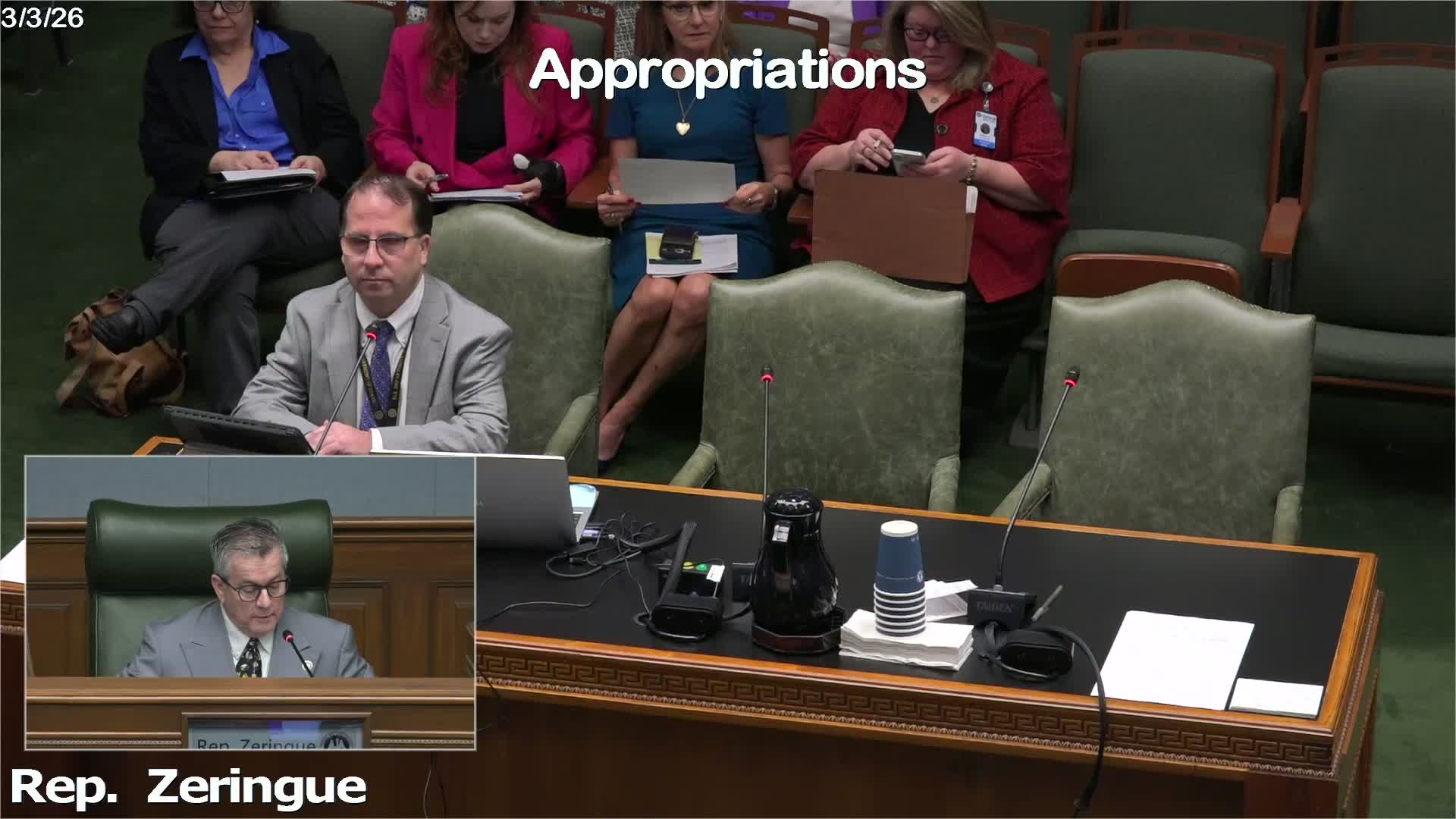
The House committee heard the executive budget recommendation for the State Treasury on the department’s fiscal year 2027 operating plan and a status report on unclaimed property and Cooperative Endeavor Agreements.
Blair LeBlanc of the House Fiscal Division told the committee the Treasury’s FY27 recommended operating budget is $15,000,000 with 74 authorized positions and that fees and self‑generated revenue account for the largest share of funding. “The largest portion of funding comes from self generated revenue at 12,200,000,” LeBlanc said, and the budget reflects increases to salaries and related benefits driven by standard statewide adjustments.
First Assistant State Treasurer Rachel Kinkade told lawmakers the Treasury’s investment and unclaimed‑property work has produced significant returns for residents. “In fiscal year 2025, the Unclaimed Property Division returned 69,300,000 in unclaimed property to Louisiana residents,” Kinkade said, calling it the second‑highest return rate in state history.
Kinkade described operational changes intended to move money faster to claimants and grantees: the Unclaimed Property Division has begun issuing ACH payments, which she said are faster and cheaper, and the Treasury opened an online portal to process Cooperative Endeavor Agreements (CEAs). “Compared to this time last year, the number of CEAs that have been processed has increased by 75% and the number of payments has increased by 41%,” she said, adding the switch to ACH will cut administrative costs for those who accept electronic payment.
Members pressed Treasury staff on oversight of CEAs and what legislative intent or statutory direction the committee should provide. Kinkade responded that Treasury can process CEAs faster but has limited ability to impose spending conditions if a CEA lacks clearly stated legislative intent: when a CEA’s authorized purpose is broad or unspecified, Treasury lacks statutory authority to impose or enforce narrower terms on how funds are used.
Kinkade and LeBlanc also briefed members on the State Bond Commission’s recent activity and noted a Legislative Auditor investigation spurred by the K‑12 School Transparency portal that identified roughly $600,000 in questionable transactions at a school; they said Department of Education and the Legislative Auditor are addressing the matter.
The committee did not take a vote on the Treasury budget during the hearing. The presentation concluded with staff available to follow up on member requests for more detail on specific items and the Treasury’s plan for continued portal enhancements.