Get Full Government Meeting Transcripts, Videos, & Alerts Forever!
Get email alerts on the Incarcerated Women Audit topic
No spam. Unsubscribe anytime.
Legislative audit finds gaps in care for incarcerated women at many local jails
Summary
A Legislative Auditor report found numerous local jails do not fully implement protections for incarcerated women — including restraints during pregnancy, routine prenatal care, timely access to feminine hygiene products and adequate shower/privacy — and recommended statutory and policy changes.
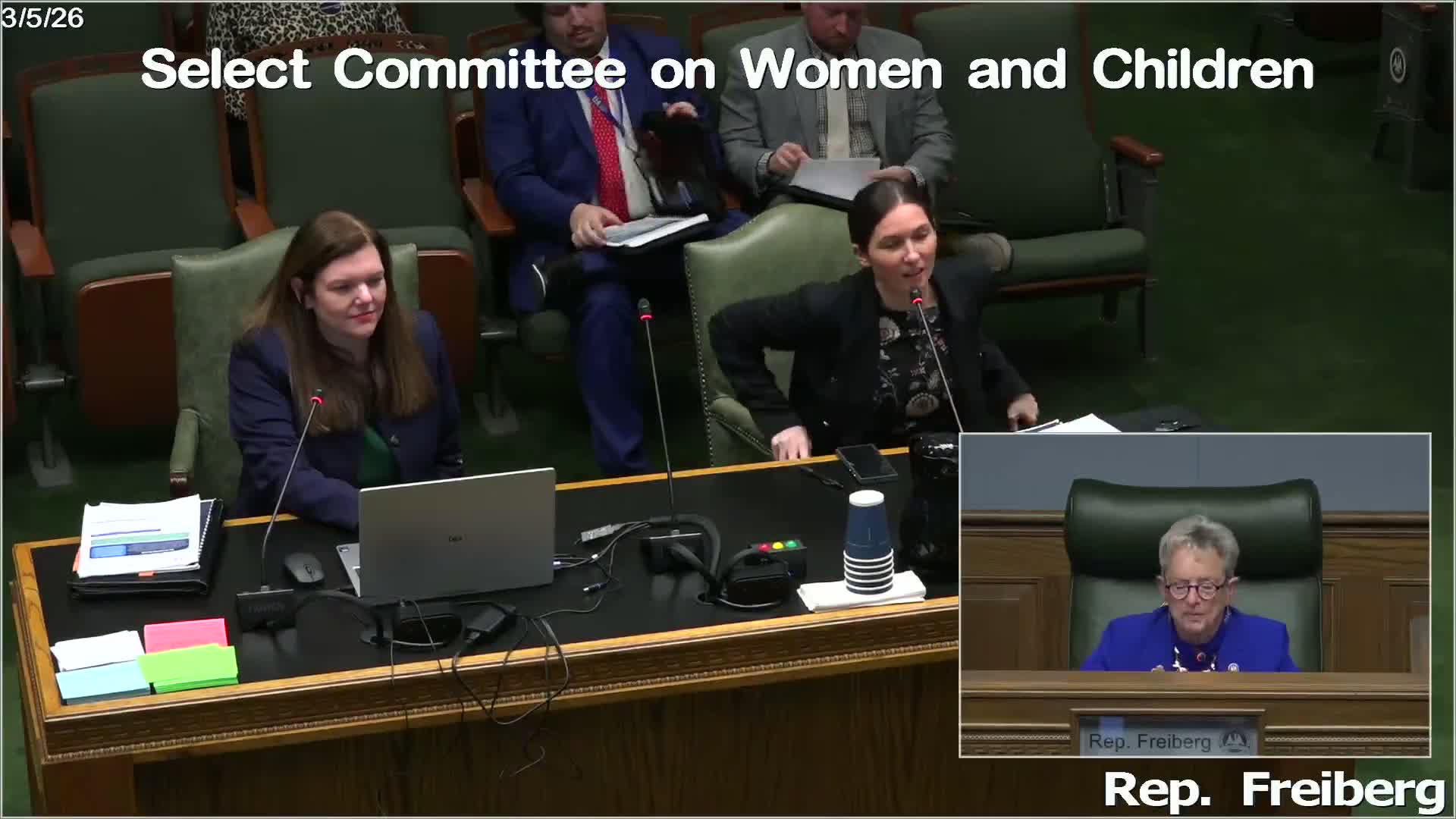
The Legislative Auditor told the House Select Committee on Women and Children on March 5 that its May 14, 2025 audit of the treatment and care of incarcerated women found widespread gaps in local jail compliance with state laws and standards.
"None of Louisiana’s jails had fully addressed each of the key pieces of legislation we were looking at," auditor Ashley Rekeen said. The audit examined legal criteria, basic jail guidelines (last updated in 1991), and Department of Corrections guidance for jails that house state offenders.
Key findings: The audit reported instances of prohibited restraints used during pregnancy at three jails and found 20 jails did not provide written advisement of restraint rights. Thirty‑four jails did not offer routine preventive screenings such as Pap smears for pretrial women; 24 did not automatically test for pregnancy; and two reported they did not provide routine obstetrical care. The report also flagged hygiene and dignity issues: several jails did not supply feminine hygiene products at no cost in sufficient quantities, and 14 jails required women to purchase underwear necessary to use those products.
Privacy and programming: Inspectors found problems with shower and toilet privacy, cameras in some sanitation areas, insufficient outdoor recreation and unequal access to educational and vocational programming. Thirty local jails did not offer in‑person visitation; where in‑person visits were unavailable, virtual options often carried per‑minute charges.
Recommendations: The auditor asked the Department of Corrections to update the Basic Jail Guidelines, require routine pregnancy testing and prenatal care policies, prevent solitary confinement of pregnant and postpartum women, ensure no‑cost provision of required feminine hygiene products (and underwear when needed), and expand free visitation options and reentry programming.
State vs local responsibilities: DOC officials told the committee that state prisons meet the stated standards and that DOC provides guidance and audits, but parish jails operate independently and DOC’s direct enforcement options are limited. Committee members urged the department to bring local sheriffs into follow‑up hearings and to provide clearer contract and oversight information for jails that house state inmates.
Next steps: Committee members said they will invite local jails into future hearings, consider statutory mandates rather than policy guidance, and may file legislation to tighten requirements and enforcement.