Get Full Government Meeting Transcripts, Videos, & Alerts Forever!
Get email alerts on the Elections Ethics topic
No spam. Unsubscribe anytime.
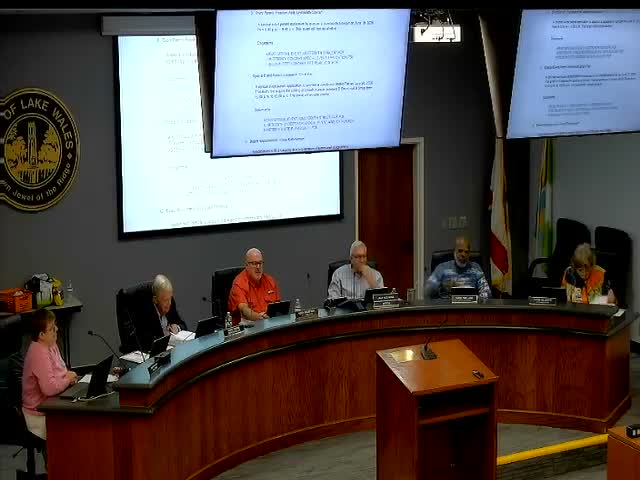
Commission split over nonbinding 'dark money' pledge; some favor guidance, others worry about enforceability
Summary
Commissioner Gillespie proposed a voluntary candidate pledge discouraging acceptance of undisclosed third‑party 'dark money.' Commissioners debated its limited legal effect, potential for weaponization, and whether to use community standards or place the item on a public agenda.
Commissioner Gillespie presented a revised non‑binding pledge intended to discourage candidates for local office from accepting support from undisclosed 'dark money' groups. She said the pledge aims to increase transparency and encourage candidates to publicly reject problematic third‑party support. 'The proposed pledge will not remedy this disparity, but it may cause candidates to be more careful in their actions regarding third‑party packs,' Gillespie said.
Commissioners split on the approach. Some supported an informational 'community standards' document instead of a signed pledge, arguing a pledge is unenforceable and could be weaponized in campaigns. Commissioner Thompson and others questioned whether the pledge could be practically applied or might chill participation. 'I think the intention is good, but I think the unintended consequences will be much worse,' one commissioner said.
Gillespie said a voluntary pledge that includes a public repudiation of undisclosed third‑party material could help voters distinguish genuine candidate messaging from outside influence. She said she intends to put the item on a public commission agenda if the work session does not generate consensus. Other commissioners and staff noted that the administration has responsibility for setting agendas and that, absent a consensus to advance an item from the board, staff typically does not place it on a public meeting agenda.
No policy was adopted. Commissioners asked staff and the city attorney to confirm legal constraints and to prepare alternatives (such as a community standards brochure) if appropriate.