
Council discusses 287(g) concerns after resolution withdrawn; no directive given to police
Get AI-powered insights, summaries, and transcripts
Subscribe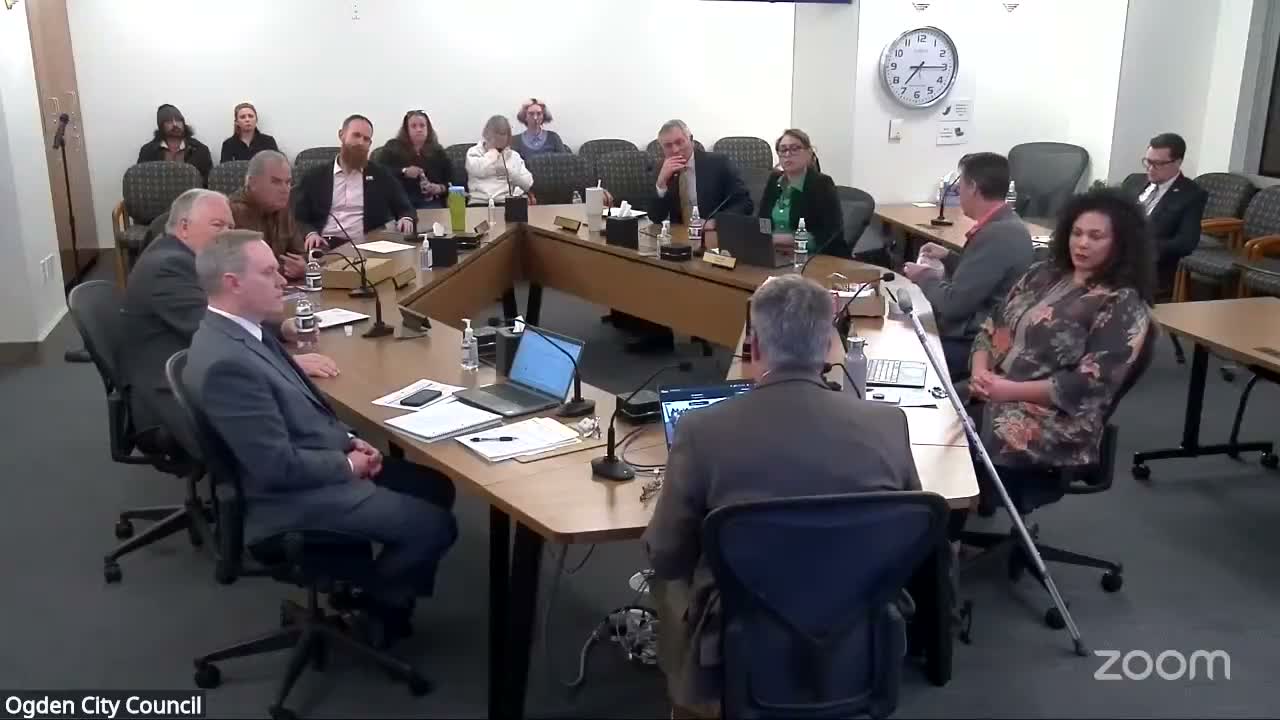
Summary
Council members and staff discussed a withdrawn joint resolution about immigration enforcement and whether to invite the county sheriff to brief the council on 287(g) agreements. Legal guidance given at the meeting said the council cannot direct police operations; members debated outreach and messaging to the community.
City council members and staff on Monday discussed community concerns about immigration enforcement and county 287(g) agreements after a proposed joint resolution was withdrawn.
Gary, a city staff member who advised the council on legal matters, told members the state’s 2011 statutory package that sought to limit ‘sanctuary city’ policies was largely invalidated by a 2012 Arizona court ruling, but that a narrow remaining provision still prevents a locality from adopting an ordinance, regulation or policy that would establish sanctuary-city status. "You can even adopt a resolution. You just can't give direction to a law enforcement agency," Gary said, urging councillors to rely on the police chief's stated position regarding 287(g) cooperation as the practical safeguard.
A council member said the joint proposed resolution had been withdrawn “by myself and council member Landell,” and asked how constituents should understand earlier comments by the mayor and the police chief about not entering a 287(g) agreement. The council member said the resolution had been intended as a voluntary statement and that community members had asked where the resolution stood.
Several members recommended getting more information to reassure residents. One speaker who had met with the sheriff’s office said the sheriff’s staff "has great data" and offered to share it with council members and community leaders. Some councillors favored inviting the sheriff to a council work session so the public could see the data; others warned that bringing the sheriff to a public council meeting could become a "lightning rod" and suggested meeting at the sheriff’s office or inviting a neutral expert instead.
Members also discussed limits set by open-meeting laws: one councillor noted that informal meetings of up to three members are permissible but that gatherings of four or more outside publicly noticed sessions could violate sunshine rules, so the council must be careful how it schedules briefings.
Several councillors urged the city to take a more proactive communications approach. "We kind of need to extol our virtues," one member said, suggesting the council and staff use the city's social media platforms to explain what the Ogden City Police Department does and to lower tensions in the community.
No motions or votes were recorded on 287(g) or a new ordinance during the session. Gary reminded the council that while it may adopt resolutions as policy statements, it cannot direct the operational practices of the police department.
The meeting ended with the council adjourning and no formal action taken on the proposed resolution or on directing law-enforcement practice.