
RTC warns Southern Nevada could cut 42% of transit service by 2028 without new funding
Get AI-powered insights, summaries, and transcripts
Subscribe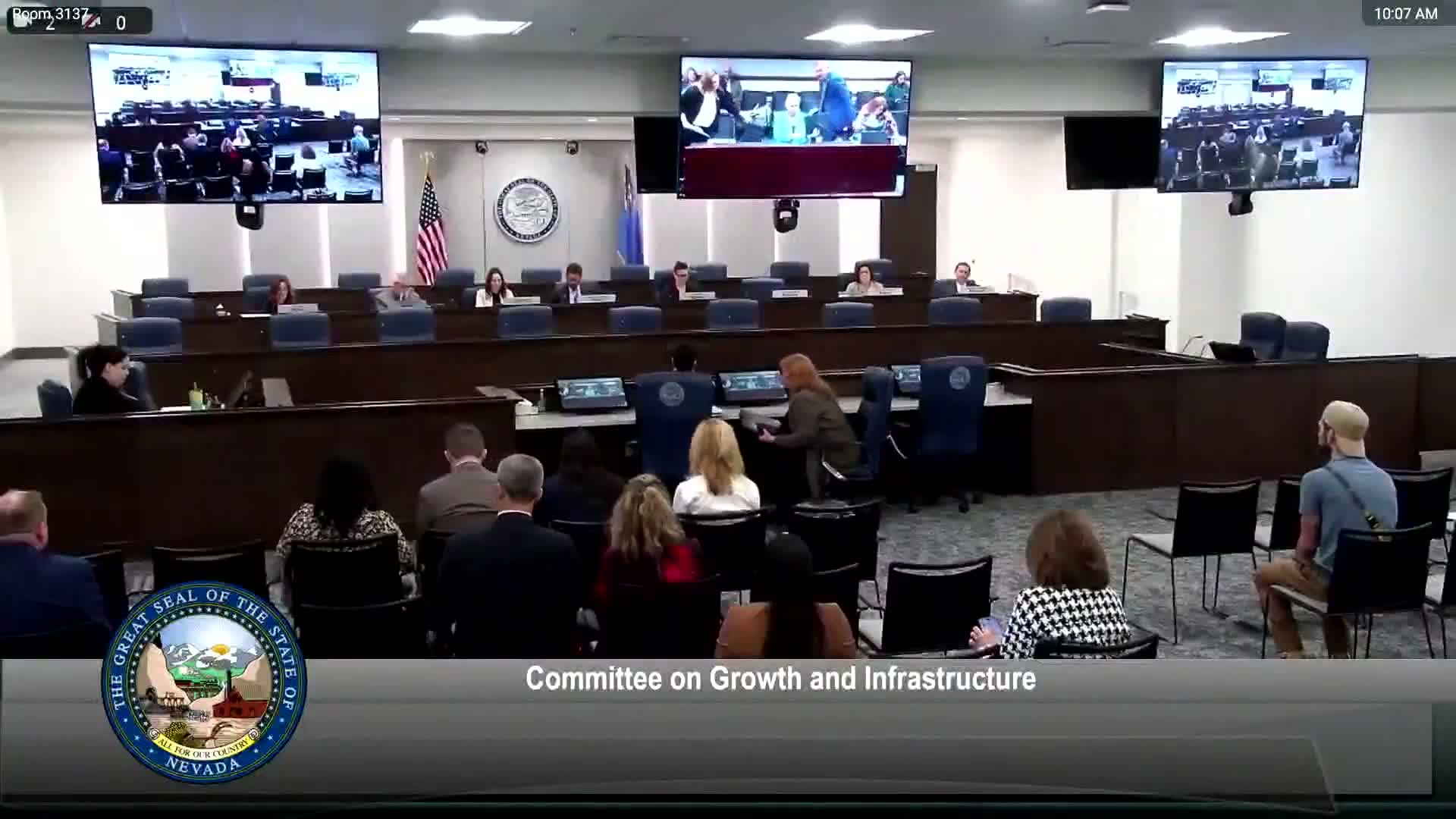
Summary
RTC leaders told lawmakers that without new, sustainable revenue Southern Nevada faces major transit reductions: 15 of 39 routes could be eliminated and paratransit and senior services sharply reduced, affecting riders and jobs.
MJ Mayer Carey, CEO of the Regional Transportation Commission of Southern Nevada, told the Growth and Infrastructure Committee that the region faces a fiscal cliff for transit unless new revenue streams are found.
"If we're not able to identify a sustainable funding source, we'll begin cutting transit service," Mayer Carey said, outlining a scenario in which 42 percent of service could be cut over two years. She said 15 of the RTC—s 39 fixed routes could be eliminated and 22 reduced, with game‑day express routes cut from seven to two pickup locations and on‑demand services scaled back by two‑thirds in parts of the valley.
RTC staff said those reductions would affect more than 1.14 million Clark County residents and remove roughly 477,000 trips annually, disproportionately affecting paratransit riders, seniors and veterans who rely on specialized services for groceries, medical care and work. The agency noted it has leaned on one‑time federal stimulus funds ($303 million) and local fuel revenue indexing to delay deeper cuts but that those are not permanent solutions.
Mayer Carey and Deputy CEO Angela Castro described the policy and legal constraints: motor fuel tax revenues are constitutionally restricted to highway purposes and cannot be used for transit operations, forcing RTC to rely primarily on a sales‑tax share (3/8 percentage point) and competitive grants. The RTC said it will work with stakeholders on potential legislative or ballot options and will spend the coming year engaging the community on tradeoffs and possible funding pathways.
The agency urged lawmakers to consider the timing: without a durable revenue solution RTC staff said the organization will need to begin service reductions targeted at the end of fiscal 2028.
Attribution: remarks from MJ Mayer Carey and Angela Castro, RTC of Southern Nevada, Growth & Infrastructure Committee hearing, March 12.