
Panel approves bill making occupancy by certain deportable felons a misdemeanor in narrow 9-8 vote
Get AI-powered insights, summaries, and transcripts
Subscribe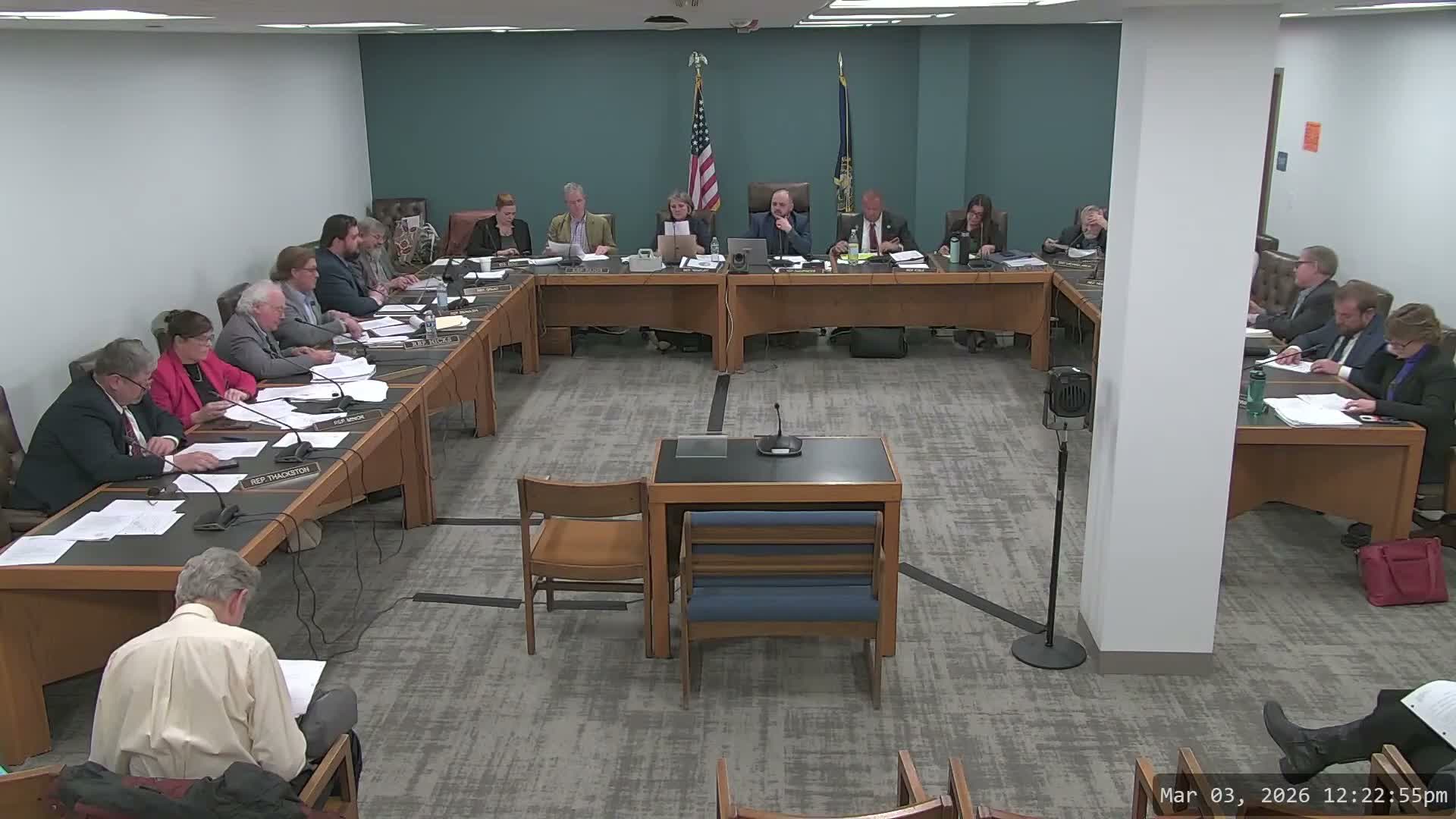
Summary
The committee adopted amendment 0943h to HB 17 09, making occupancy of real property by specified criminal noncitizens a class A misdemeanor and authorizing sheriff coordination in certain writ-of-possession situations; the measure passed narrowly 9-8 after debate over scope, federal overlap and potential unintended consequences.
Representative Bollier introduced amendment 0943h to HB 17 09, a measure that would make occupancy of real property by certain criminal noncitizens a class A misdemeanor and encourage local law-enforcement steps (for example, at the time of serving writs of possession) to identify individuals subject to federal removal.
Speaking for the amendment, Representative Bollier said the narrow focus is on criminal noncitizens who have been deported or are otherwise removable under federal law — not on people with visa overstays or individuals with pending appeals. "These are criminal illegal felons that are basically deport on sight," Bollier said, explaining the intended narrow scope.
Supporters argued the amendment supplies a state-law counterpart to federal removal authority and clarifies landlords’ contractual footing when occupancy is lawfully void; Representative Thaxton noted that in some cases local law enforcement can identify persons that the federal government does not yet know are present.
Opponents voiced civil-rights and scope concerns. Representative Howland and others warned the amendment’s language could sweep beyond residential tenancy to commercial occupancy and could impose an additional criminal penalty on people already subject to federal consequences. Representative Holland cited ICE detention policy and questioned whether the amendment addressed a real enforcement gap.
After discussion and a recess for caucus, the committee adopted the amendment and then approved the motion 'ought to pass as amended' by a 9-8 roll-call vote. Representative Bollier will write the majority report; Representative Howland will file a minority report. The committee placed the measure on the regular calendar.
What to watch: The bill raises complex federalism and civil-rights questions and drew a sharply divided committee vote. If the bill advances, legal counsel and stakeholders are likely to press for narrow drafting to avoid unintended coverage of property owners and commercial lessees.