Get Full Government Meeting Transcripts, Videos, & Alerts Forever!
Get email alerts on the Municipal Finance topic
No spam. Unsubscribe anytime.
Gadsden County commissioners weigh revenue bonds to fund roads, water and development
Summary
Bond counsel briefed commissioners on revenue bonds, interest-rate ranges and a 3–6 month timeline for issuance; commissioners split between quick action to seize possible federal windows and longer strategic planning. Staff asked each commissioner to submit two priority projects by Jan. 2 for review at the Jan. 6 meeting.
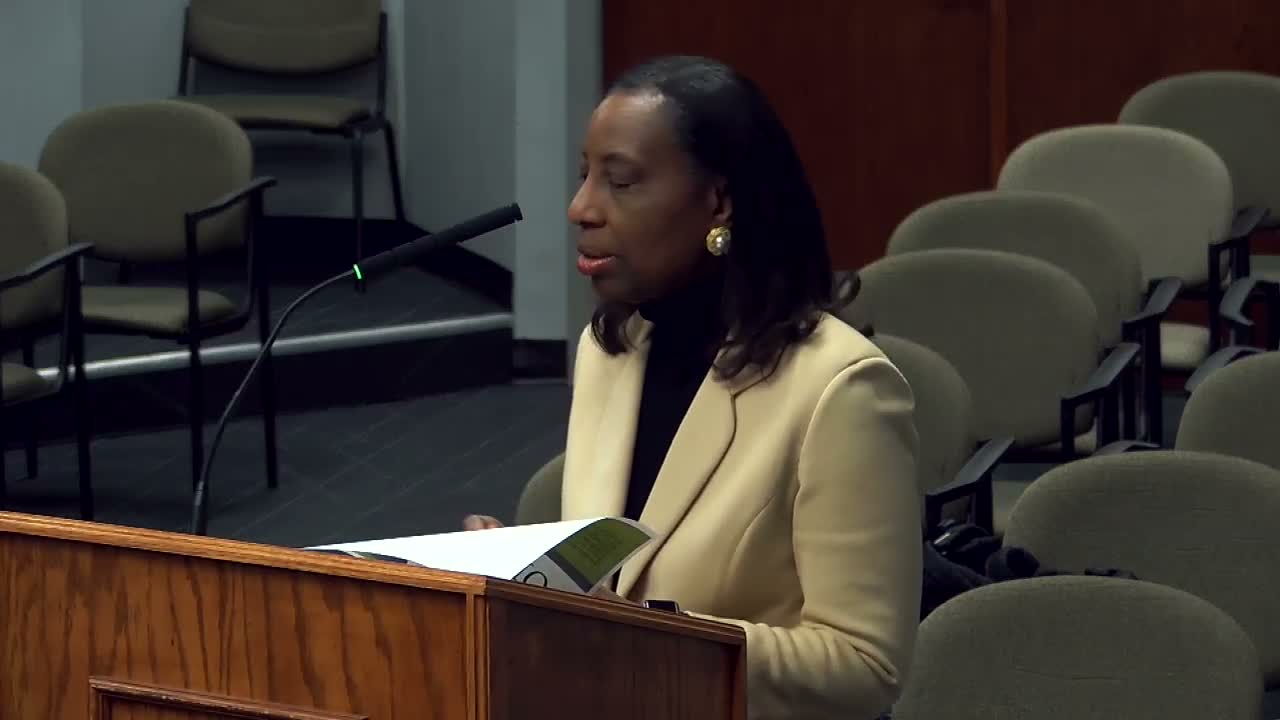
Jolinda Herring, bond counsel at Bryant Miller Olive in Tallahassee, told Gadsden County commissioners that the first step in any borrowing plan is to define precisely what the county wants to fund and when, and then assemble a financing team including a financial advisor, county attorney, bond counsel and, if publicly offered, disclosure counsel.
Herring said the choice between a general-obligation bond and a revenue bond depends on the project: general-obligation bonds pledge ad valorem property taxes and would require a referendum if they exceed the county's 10-mill cap, while revenue bonds can be issued without voter approval and are repaid from a specific non–ad valorem revenue source such as sales tax or gas-tax receipts. "Once you've identified the projects and engage your professionals, it'll take us three to six months before you have your money," Herring said. She also noted recent bond deals she has seen carried interest rates in the roughly 3.5%–4.5% range.
Commissioners debated priorities and pace. Commissioner Woods urged fast action to fund local needs such as road resurfacing and stoplights, and named interstate interchanges in Gretna and Quincy and development at Chattahoochee as projects that could move quickly. "I think those are probably the two fast-track items," Woods said.
Other commissioners urged a more strategic approach. Commissioner Holt said the county should develop a strategic project list to avoid duplicating state-funded work and to ensure any bond program benefits the whole county, not only isolated districts. Commissioner Simpkins pressed for a timeline and said commissioners must "put skin in the game" by identifying projects so the county can demonstrate commitment when seeking complementary state or private funding.
Staff asked each commissioner to submit two priority projects in writing so bond counsel and staff can run the numbers; commissioners set Jan. 2 as the submission deadline and planned to take up those priorities at the Jan. 6 meeting. The board also discussed using existing dedicated revenues — for example, a half-cent sales-tax stream previously used for library debt — as potential pledge sources for repayment.
Herring warned that federal policy affecting the tax-exempt status of government-issued bonds has been discussed nationally and that industry groups are actively lobbying; commissioners said the prospect of policy change strengthened the case for prompt preparation. The board directed staff to research the structure of the county's prior bond and to return with options and proposed language for the next workshop or meeting.
The workshop closed without formal bond authorization; commissioners asked staff and bond counsel to prepare concrete options for the next meeting so the board can weigh both short-term neighborhood fixes and longer-term economic-development projects.