Get Full Government Meeting Transcripts, Videos, & Alerts Forever!
Get email alerts on the Tax Policy topic
No spam. Unsubscribe anytime.
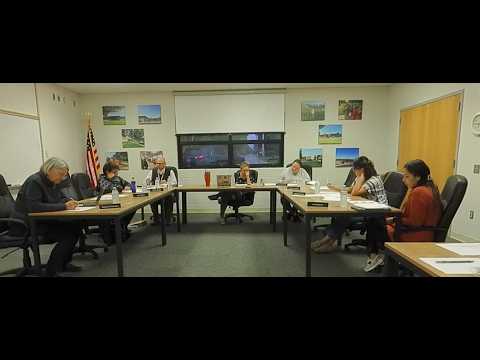
Board hears explanation of LaSalle County 1% sales-tax referendum and signals straw‑poll support
Summary
District staff outlined how a countywide 1¢ sales tax (earmarked for school facilities, safety and mental health) would work, described exemptions and ballot mechanics, and reported straw‑poll support among local superintendents and the board for further outreach and education.
District staff briefed the board on a countywide 1% sales‑tax proposal that would be placed on a county ballot if enough local school boards agree to put it there. The presenter described the tax as a county option sales tax earmarked for school facilities, safety and student mental health and said the law was amended in 2019 to add those uses.
"The 1¢ sales tax is just that — it's a 1¢ sales tax that is collected at the county level and is earmarked specifically for school facilities, school safety, and student mental health," the staff member said. He explained that the tax is not applied to essentials such as medicine, groceries, utilities or medical appointments and likened it to an "entertainment tax" — discretionary spending such as dining out or movies.
The presenter said counties that attract nonresident spending can capture significant revenue and that distributions are made on a per‑pupil basis across the county: "Whatever is collected countywide gets divided by every single student that goes to school within that county;" using LaSalle County examples, he said the revenue could total about $1 million. He suggested that even if a portion were used to abate property taxes, districts could still gain substantial funds for capital and mental‑health supports.
Board members asked about negatives and ballot wording; the presenter and trustees agreed that public education and clear messaging would be required for a successful referendum. He described the referendum mechanics: a county ballot requires school boards representing 51% of county students to approve placing the measure on the ballot; after that, community informational efforts are allowed within legal limits.
The presenter said LaSalle County superintendents maintain a shared document to poll board support and reported that several larger districts appear ready to go forward. When asked for a straw‑poll from the board, he received nods and affirmative comments; he said that was the conversation he needed to proceed with the informational work.
No final board action to place the measure on a ballot was recorded in the provided transcript; staff and superintendents described next steps as educational outreach, town meetings and coordinated planning between district leaders and community groups.