Get Full Government Meeting Transcripts, Videos, & Alerts Forever!
Get email alerts on the Energy Infrastructure topic
No spam. Unsubscribe anytime.
Orange County board directs staff to draft battery energy storage system guidelines after public safety concerns
Summary
The board unanimously directed staff to research and draft development guidelines and standards for lithium battery energy storage facilities in unincorporated Orange County, following public comment citing fire risks, proximity to schools, and suggestions about fire suppression options.
The Orange County Board of Supervisors on Oct. 8 directed county staff to research and prepare proposed development guidelines and standards for battery energy storage systems (BESS), a move prompted by recent incidents and public safety concerns.
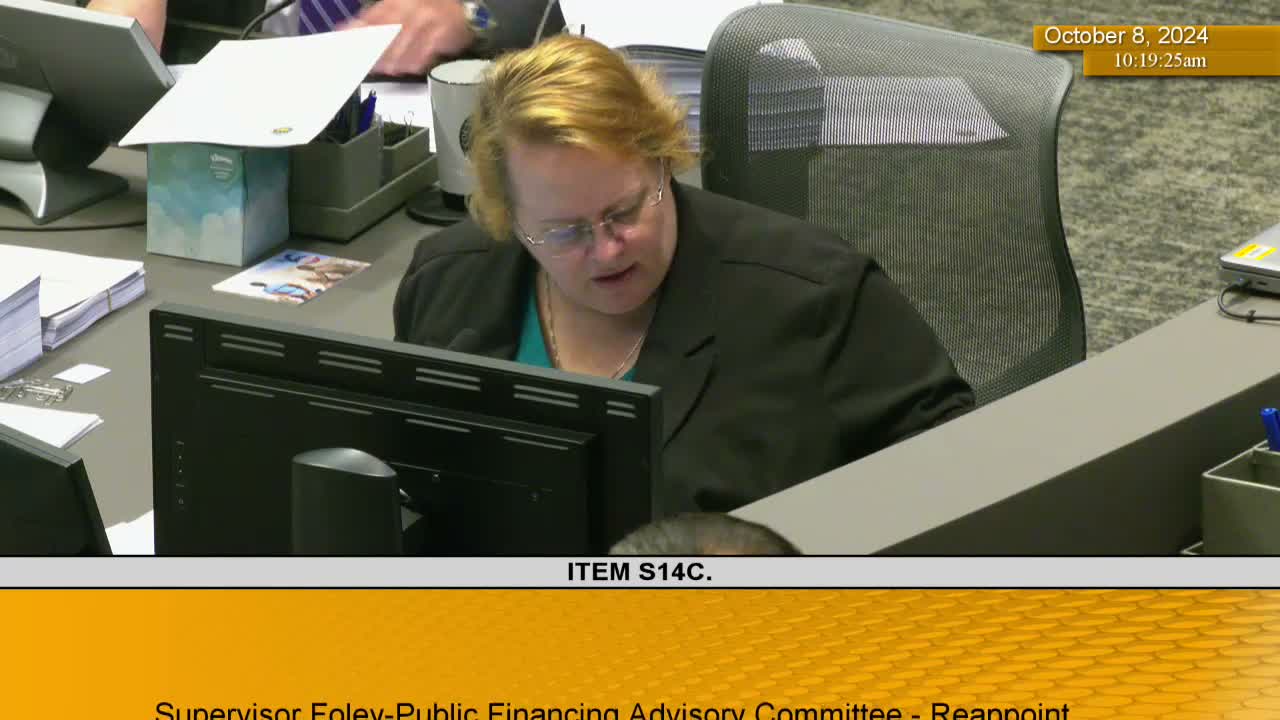
Supervisor Katrina Foley introduced the item noting local incidents — including a July lithium battery fire — and said the goal is to create model planning standards for unincorporated areas. ‘‘Energy storage is critical, but at the same time, we need to make sure that it's stored safely and in the right location and with the highest of standards to protect the public,’’ she said.
Public commenters urged technical safeguards: Kathleen Pryor suggested dry‑ice fire‑suppression containers and provided a Pacific Northwest National Laboratory report; others urged large buffer zones around schools and 24‑hour security at sites and raised concerns about toxic battery remains and siting near high‑fire areas.
Supervisors acknowledged the county’s limited authority over city projects but said a county model ordinance could provide useful guardrails for unincorporated areas and serve as an example for cities. County staff cautioned that federal and state oversight and forthcoming legislation (including responsible battery recycling and federal safety standards) should be considered to avoid redundant or conflicting rules.
The board voted unanimously to direct staff — including environmental sustainability, planning and fire experts — to evaluate options and return with a proposed ordinance for consideration.
Next steps: staff will analyze best practices used by other counties and cities, examine siting/safety standards, and coordinate with state and federal agencies before drafting proposed local standards.