Get Full Government Meeting Transcripts, Videos, & Alerts Forever!
Get email alerts on the Fairgrounds Operations topic
No spam. Unsubscribe anytime.
Roosevelt County commissioners consider larger tractor, sand and tougher promoter rules to boost fairgrounds revenue
Summary
Commissioners asked staff to return with pricing for a larger tractor and estimates for adding river sand, RV hookups and contract changes that would require promoters to collect and remit stall and hookup fees after reports of many unpaid hookups at a recent rodeo.
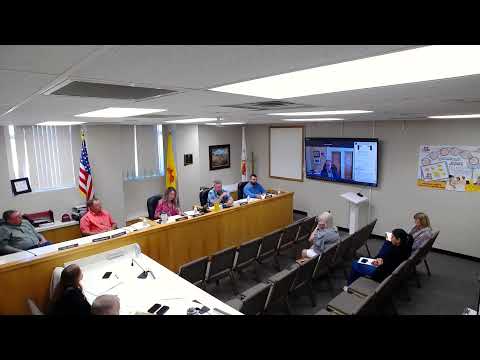
Roosevelt County commissioners discussed buying a larger tractor and tightening fairgrounds rental rules to increase revenue and reduce unpaid stall and RV‑hookup fees during a regular meeting.
A commissioner asked county staff to review budget lines and statewide pricing agreements to determine whether the county can afford a new tractor and whether the current tractor could be retrofitted. Staff said they would look into the numbers and check statewide pricing with Carla before the next meeting. "We'll look into it," a staff member said, noting that retrofitting the existing unit could be as costly as replacement.
Commissioners debated specifications: several participants said a 90‑horse tractor with front‑wheel assist is commonly used, while others suggested moving to a 110–115‑horse machine for better performance. They also discussed finishing implements used now, noting that some smaller finishing tools gave a better final grade after ripping than the current tractor setup.
The group considered a short‑term, lower‑cost improvement: adding three to four loads of river sand to lighten the arena’s clay soil so grading equipment would not bog down. One participant said the sand would "help it last longer before you have to plow it again." Commissioners asked staff to get pricing for sand and for expanding electrical and water RV hookups along the east side of the fairgrounds; staff noted electrical installations are the costlier component.
The meeting recorded concern about revenue collection: a commissioner who counted stalls during the last rodeo reported finding 68 stalls in use one day and 62 on another while only three had been paid for. The transcript records a reported total collection figure of about $6,700 by Jared Eshelman, and commissioners agreed that promoter contracts should make promoters responsible for collecting stall and hookup fees and for remitting payment promptly. "We can work on the wording, and we can run it by the attorneys to make sure that everything meets all the requirements," a staff member said.
Attorney Banfflek suggested requiring promoters to post a deposit that would cover the full cost of stalls, with an inventory and refund process for unused stalls, which he described as a low‑effort way to secure upfront revenue. Commissioners asked staff to return at the next meeting with tractor pricing, suggested contract language to require promoter deposits or set payment windows (examples discussed included five business days), and an estimate to add RV hookups.
The discussion concludes with commissioners asking staff to check whether the new road/fairgrounds position could be scheduled to provide coverage for fairgrounds events or whether responsibilities could be split so the operator is available when needed. The county will revisit the proposals — equipment pricing, contract changes and RV hookup costs — at the next meeting.