Get AI Briefings, Transcripts & Alerts on Local & National Government Meetings — Forever.
Roosevelt County commissioners seek tighter land‑use rules and oppose on‑site turbine blade shredding
Loading...
Summary
At a regular meeting, Roosevelt County commissioners agreed to resume work on a land‑use plan and raised objections to on‑site turbine blade chopping during wind‑farm decommissioning, asking staff to involve the Soil and Water Conservation District and to review developer agreements for disposal obligations.
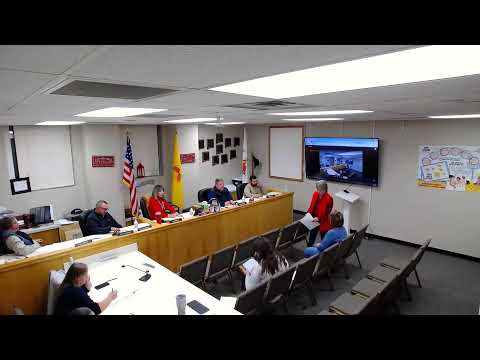
Roosevelt County commissioners on Tuesday agreed to restart work on a land‑use and resource policy and raised specific objections to how wind‑farm components are handled at the end of their useful life.
The chair said the county needs clearer policies and asked that the Soil and Water Conservation District be included as the board drafts rules governing decommissioning and disposal. "I would like to include, the Soil And Water Conservation District" in the land‑use planning process, the chair said.
Commissioners discussed a recent committee meeting with a wind‑farm developer and said the county should not become a disposal site for turbine blades. "I don't want them chopping those blades up in Roosevelt County," the chair said, arguing that uncontrolled on‑site chopping had caused problems in a neighboring county and could pollute local air and soil.
A county representative with experience in regional waste authorities suggested checking developer agreements for disposal obligations and exploring off‑site recycling. "One of the places that you might be able to look is any agreements that were made with the companies to make sure they were disposed of properly after they finished their useful life," said Mike, who also noted, "I think there is somebody in Lubbock that does kinda recycle them or chop them up." He identified himself as a representative of the Estancia Valley Solid Waste Authority earlier in the meeting.
Commissioners said they learned the wind‑farm operator will not reuse existing turbine pads but will remove and replace pads (the chair said pads would be taken down about 36 inches and new pads installed). They asked staff to review contracts, state guidance on gross‑receipts treatment for the work, and any existing agreements that require developers to manage decommissioning and disposal.
The chair framed the next practical step as incorporating clear disposal and reclamation standards into the county's land‑use and resource policy, to be drafted with input from the Soil and Water Conservation District and discussed at an upcoming workshop or meeting.
No ordinance or binding action was adopted at the meeting; commissioners instructed staff to gather contract language and regulatory guidance and to return with recommended policy language in a future session.