Get Full Government Meeting Transcripts, Videos, & Alerts Forever!
Get email alerts on the Rezoning topic
No spam. Unsubscribe anytime.
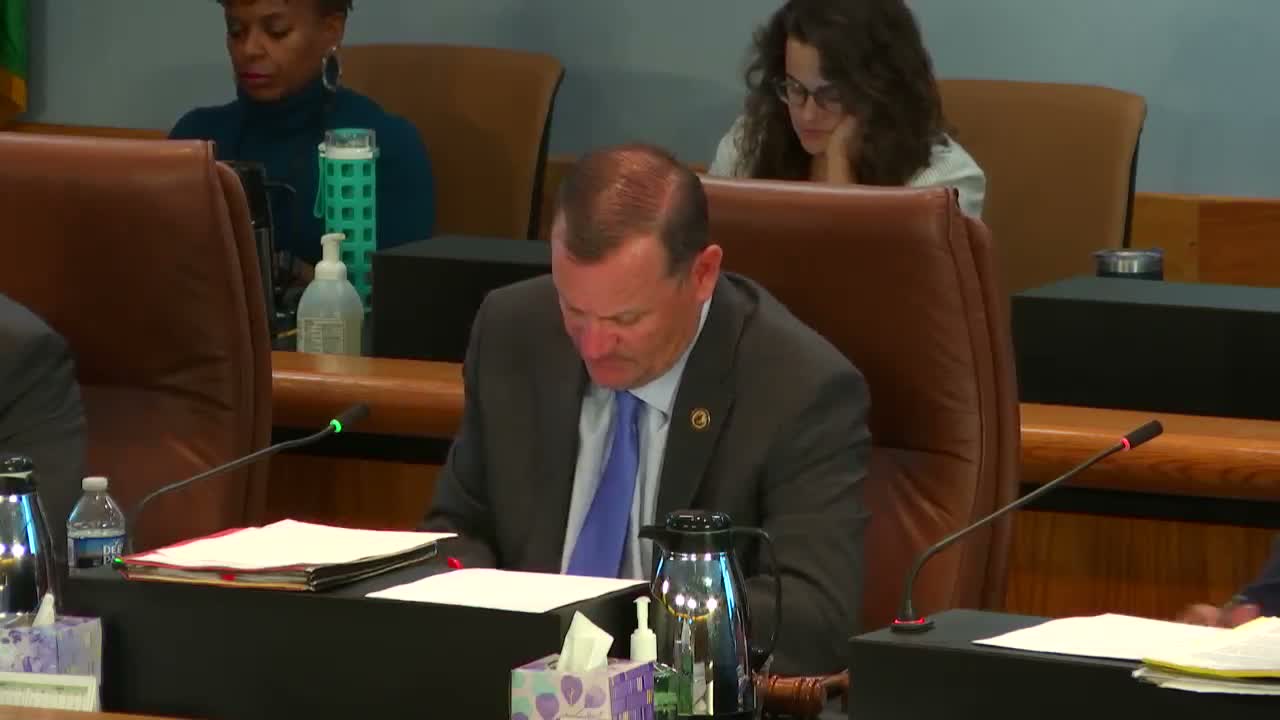
Henrico supervisors deny large Washington Park rezoning after months of neighbor opposition
Summary
After extensive public testimony about schools, traffic and environmental risks, the Henrico County Board of Supervisors voted to deny a conditional rezoning (REZ2022‑0002) for the Washington Park/Markel Eagle Advisors proposal, which would have allowed roughly 95 single‑family homes and included a private stream restoration nutrient credit proposal.
The Henrico County Board of Supervisors on Nov. 12 denied a conditional rezoning request from Markel Eagle Advisors that would have allowed a residential subdivision on roughly 65–95 acres near the Chickahominy River. Planning staff described proffers for setbacks, open space and a private stream restoration project that consultants said would generate nutrient credits preliminarily approved by the Virginia Department of Environmental Quality.
Dozens of residents and civic representatives urged the board to reject the proposal, saying the development would strain school capacity, increase traffic and damage sensitive environmental areas. "This project will put two of our three schools into trailers," said Dennis Furman, a longtime local volunteer who testified against the rezoning, listing concerns about traffic, wetlands and a nearby quarry. Several neighbors cited flooding, threatened plant species and wildlife habitat near the Chickahominy floodplain.
The applicant’s team, including land‑use attorney Andy Conlon and consultant John Brooks, defended changes made after multiple community meetings and proffers intended to reduce impacts. Brooks, an ecological restoration specialist, described a proposed stream restoration he said would "reduce the amount of pollution currently flowing into the Chickahominy River" and generate nutrient credits. Developer Ned Massey said the project targeted first‑time homebuyers and would reserve at least 10 units for households at 80% of area median income.
Board members cited the long history of the application, lingering litigation, persistent community opposition and unresolved technical concerns as reasons to deny. Supervisor Rountree said she would not defer the case again and moved to deny; the motion carried. The transcript does not record a roll‑call tally; the denial was adopted by voice vote recorded on the record as "motion carries."
What happens next: under board rules a substantially similar rezoning cannot be heard by the board for 12 months from the denial, although the applicant could revise the plan and file again sooner if changes make the case "substantially dissimilar."