Get AI Briefings, Transcripts & Alerts on Local & National Government Meetings — Forever.
Appeals court hears argument that unproduced booking video undercuts Hamza Abdo's trial
Loading...
Summary
On March 9, 2026, an appeals-court panel heard argument that trial counsel was ineffective for failing to request an instruction after testimony suggested a booking-area camera recording existed but was not provided to the defense; the Commonwealth said the record contains only inferences and concrete proof is required on direct appeal.
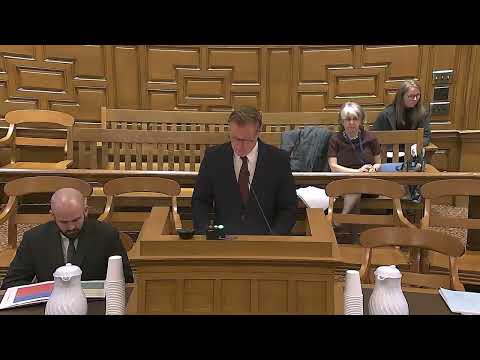
Justice Vicky Henry presiding, the appeals court heard oral argument March 9 in Commonwealth v. Hamza Abdo about whether trial counsel's failure to request a lost-or-destroyed-exculpatory-evidence instruction amounted to ineffective assistance.
Appellant Stephen Riley told the panel that an officer's testimony established cameras in the booking area and that the booking video "was not provided for Mr. Abdo," creating a reasonable inference a recording existed and was withheld. "Officer Campobasso testified twice that there were cameras in the booking area," Riley said, and defense counsel, he argued, made the relevant objections and argued the point to the jury but did not obtain the correct instruction.
The issue matters because, Riley said, objective recordings can contradict or undercut subjective officer recollections; he argued the booking video could have shown behavior inconsistent with trial testimony and that the failure to request the proper instruction prejudiced Abdo.
Commonwealth attorney Matthew Petalano responded that the trial record contains at most inferences and conjecture about whether any recording existed and that the kind of "concrete evidence" required for disposition on direct appeal is missing. Petalano told the panel that the prosecutor at trial had only represented "not to the best of my knowledge" when asked whether video existed and that the judge, not this court on direct appeal, was best placed to test those factual questions in a motion for new trial or other post-trial proceedings.
The panel also questioned preservation and related jury-selection issues. Petalano urged the court to uphold the jury voir-dire rulings as within the trial court's discretion; Riley said he would rest on the voir-dire issue only if the court had questions.
The court submitted the case for decision; no ruling was announced during oral argument.