Get Full Government Meeting Transcripts, Videos, & Alerts Forever!
Get email alerts on the Transportation topic
No spam. Unsubscribe anytime.
Brentwood commission signals support for 'hybrid' traffic‑calming approach, keeps two‑thirds threshold
Summary
After extended discussion, commissioners agreed to take a traffic‑calming policy off the consent agenda and direct staff to pursue a hybrid triggering approach (HOA or resident petition) while maintaining a two‑thirds approval threshold and extending the election period to 45 days.
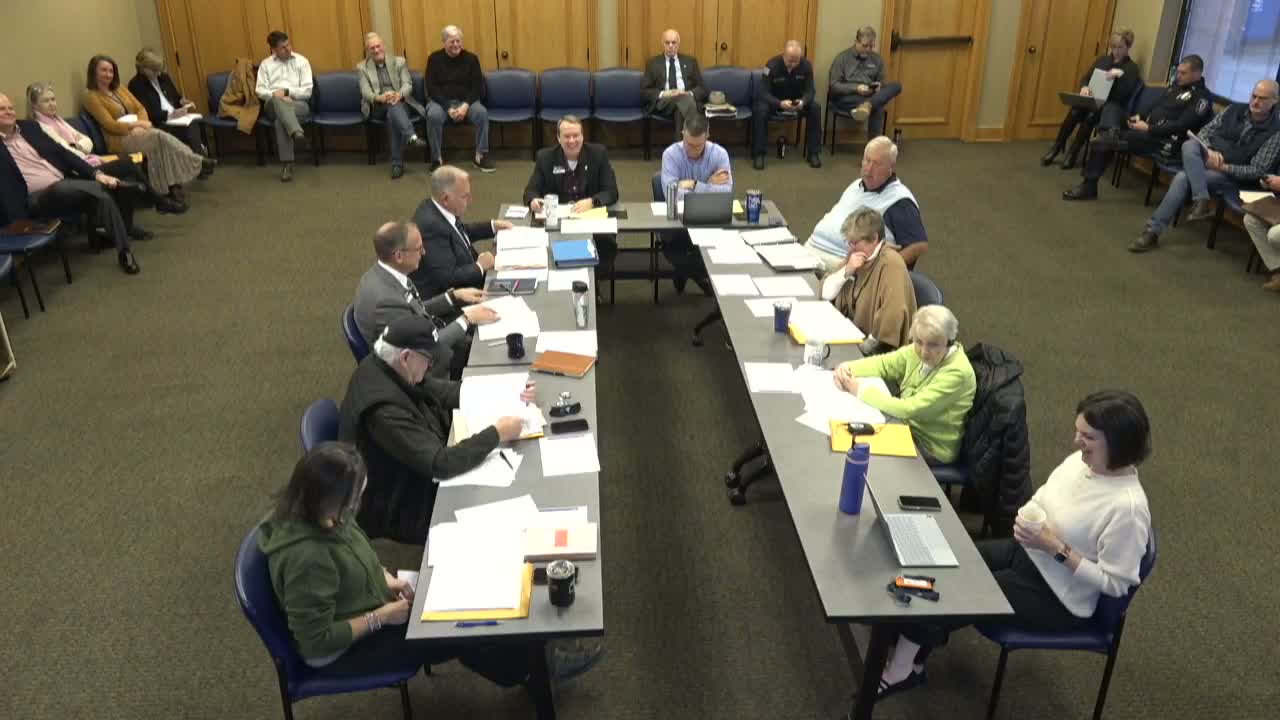
The Brentwood City Commission on a lengthy agenda discussion directed staff to pursue a “hybrid” trigger for neighborhood traffic‑calming requests while retaining the existing two‑thirds approval threshold for installations such as speed humps and speed tables.
Moderator (Speaker 1) told commissioners the consolidated policy is intended mainly to clarify longstanding practices: it applies only to public streets, formalizes a minimum separation for devices of about 300–600 feet, reduces the prior 1,000‑foot bookend distance to no more than 600 feet in most cases, and recommends increasing the resident‑response period from 30 to 45 days so neighbors have more time to review petitions and ballot materials. “We’re recommending 45 days for the election,” the Moderator said during the discussion.
Why it matters: the policy governs how neighborhoods ask the city to install physical traffic‑calming measures and who must approve them. Commissioners questioned whether non‑responding households should count as automatic “no” votes; staff explained the city’s current practice is to require two‑thirds of all affected properties to approve a project, not merely two‑thirds of those who return ballots, and recommended keeping that supermajority to ensure broad neighborhood support.
Key decisions and next steps: commissioners signaled they did not want the revised policy to go forward on the consent agenda and asked staff to bring it back after logistical clarifications. Among the items staff was asked to refine were: clear instructions on how ballots and randomized verification codes are distributed to maintain voter privacy, explicit language describing how HOA‑triggered versus resident‑triggered petitions work, and the six‑month collection window staff proposed for individual funding of speed humps in non‑HOA areas.
What officials said: multiple commissioners said they favored retaining the two‑thirds requirement as a safeguard for neighborhoods that will bear costs. A member of public works (Speaker 5) described operational steps—pre‑wetting turf fields, on‑site extinguishers and vendor restrictions—to reduce damage risk when fireworks or other events use city parks.
Where this goes next: staff will prepare revised policy language and administrative procedures (ballot mailing format, petition forms, mapping of affected properties and payment collection system) and return the item to a regular agenda for formal action. Pending petitions that are already underway, staff said, will continue under the policy that applied when they began.