York County supervisors debate impacts of pending state housing, bargaining and cannabis bills and direct staff to draft resolutions
Loading...
Summary
Board members debated fiscal impacts of several pending state bills (including SB 454 on multifamily by‑right and collective bargaining proposals) and the chair directed staff to draft three resolutions for the March 17 meeting opposing aspects the board views as unfunded mandates.
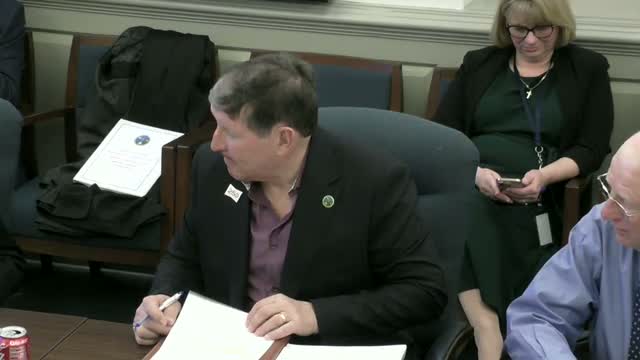
York County supervisors spent a lengthy portion of the March 3 meeting discussing pending state legislation and its implications for local zoning, services and the county budget.
The county attorney briefed the board on several bills under consideration in Richmond, highlighting Senate Bill 454 as legislation that could allow multifamily housing by‑right on a portion of commercially zoned property. He described the bills as "onerous in terms of overriding the county's zoning" and urged continuing discussion with the local legislative delegation.
Board members expressed concern about unfunded mandates and local fiscal impacts. One supervisor summarized the worry this way: enacting higher‑density housing or allowing new uses by right without state funding could increase demands on schools, police, fire and other county services and ultimately raise the tax rate. The board discussed potential local policy responses, including a proposed building fee or infrastructure fees targeted to higher‑density projects.
The board voted (procedurally) to ask staff to prepare three resolutions on: SB 454 (housing/zoning), the collective bargaining legislation (senate bill referenced in the meeting), and the effects of redistricting; the chair asked staff to return draft resolutions for consideration at the March 17 meeting. The board did not adopt positions by formal vote at the March 3 meeting; staff direction constituted a request to prepare materials for a future meeting.
Supervisors also noted other pending state measures (trailer‑park rules, accessory dwelling changes and cannabis regulation without a local opt‑out) and stressed the need to engage the delegation to seek clarifications or amendments. Several supervisors said they prefer direct calls and relationship building with delegates, while others favored drafting county resolutions to register official positions for the record.
The board adjourned without taking final action on any state bill at the March 3 meeting; staff was assigned to prepare the three draft resolutions for March 17.