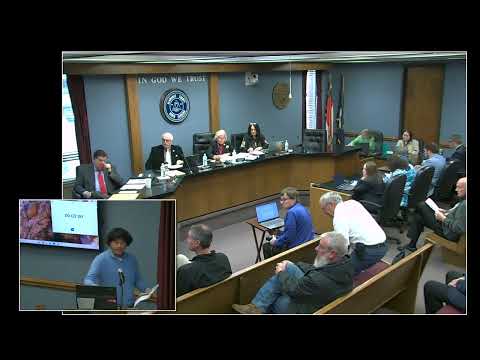
Health director recommends extending opioid-settlement projects, funding new education specialist
Loading...
Summary
Behavioral Health director Ashley Barber recommended extending existing opioid settlement resolutions through June 30, 2027, continuing county-funded positions and creating one new substance abuse education specialist; the county reported $3.4 million available and projected receipts over five years to sustain positions while litigation continues.
Alamance County's behavioral health staff recommended extensions and staffing changes for programs funded by opioid settlement dollars, telling commissioners the funds are not taxpayer dollars but settlement receipts governed by a state memorandum of agreement.
"At this time we've received about $6,500,000 in payments and interest that has been received," Ashley Barber, behavioral health division director, said, and she reported an available balance of about $3.4 million after prior authorized expenditures. Barber said the county expects additional payments over the next five years and proposed two-part recommendations: extend three existing resolutions through June 30, 2027 (no additional dollars requested) to allow more time to expend previously authorized allocations, and continue funding for several county positions tied to settlement work while adding one new substance-abuse education specialist.
Barber said the county has seen promising trends since projects began: a 52% decrease in suspected overdoses reported by law enforcement and a 20% decrease in confirmed fatal deaths (medical-examiner data), while noting an increase in stimulant and polysubstance use. The proposed new position would function similarly to an existing peer-support specialist, focusing on connecting people in the detention center with treatment.
Barber also proposed continued funding for lease costs at the Behavioral Health Center (not paying for the building itself) and said unspent funds as of June 30, 2027, would revert to the opioid deposit account for reallocation by the board.
Commissioners asked about jail continuity of medication-assisted treatment and metrics tracking treatment retention; Barber said staff will follow up with the sheriff's office and continue collecting outcome data as projects mature.
No final resolution vote was recorded during the presentation; Barber said formal resolutions would be prepared for the board to review in June during budget meetings.