Get Full Government Meeting Transcripts, Videos, & Alerts Forever!
Get email alerts on the Demolition Program topic
No spam. Unsubscribe anytime.
City planner reports 283 demolitions in 2025; 2026 work to rely on ARPA, ODOD and CDBG
Summary
Planning and Development presented a year-end demolition report: 19 demolitions in December (17 ARPA-funded, 2 ODOD), 283 total in 2025, and an estimated 334 properties remain in the pipeline; staff said they will pivot to intervention programs as ARPA support ends.
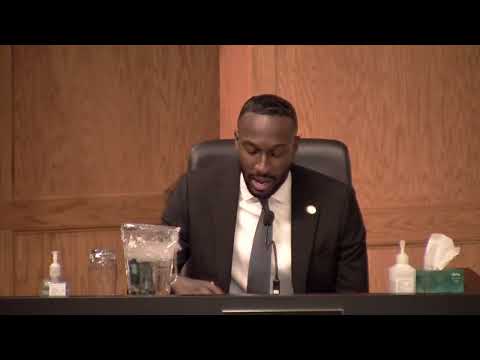
Steve Gondel, a planning and development official, told the Dayton City Commission the city completed 283 demolitions in 2025 and is "on the right track" to meet the Dayton Recovery Plan goals.
"Last month, we did 19 structures. 17 of those were funded by ARPA. 2 of those were ODOD," Gondel said, adding that the year-to-date total for 2025 reached 283 structures and the program began with a goal of about 1,168 properties. He said the city has a balance of about 334 properties remaining in the demolition pipeline.
Gondel walked commissioners through counts and distinctions used by his team: in 2024 the department recorded 476 structural-nuisance entries (352 structures and 124 garages), and for 2025 the audited total fell to 113 structural entries after processing. He explained that the structural nuisance designation does not always lead to demolition and that garages are counted separately when required by process.
Commissioner Joseph asked what remains after the planned 2026 demolitions. Gondel replied that the structural-nuisance list is fluid and that, after accounting for removals and other outcomes, "we're looking between probably 500 or 1000 that probably remain on that blighted list." He said he will deliver a comprehensive list to the city manager's office to provide clearer counts.
Gondel outlined funding expectations for 2026: roughly 120 remaining ARPA-funded demolitions, about 70–75 potential ODOD-funded demos (acknowledged as variable), and 60–80 CDBG-funded demolitions split between Burkhart and Westwood neighborhoods. He cautioned that ODOD allocations can fluctuate and that some ARPA funds are already expended or encumbered.
Recognizing that demolitions alone are not a long-term solution, Gondel said staff will shift effort toward intervention and rehabilitation programs. "My team is talking daily with Eileen over at the Dayton Home Repair Network about intervention," he said, adding that the city will align Issue 6 funds, CDBG awards, and partner resources to help owners make repairs and remove properties from the nuisance list.
Next steps: Gondel said staff will provide the city manager's office an updated housing survey completion number (the survey has surpassed 30,000 properties but was delayed by snow) and a cleaned comprehensive nuisance list. He also said the department will continue to prioritize targeted demolition where necessary while expanding repair and intervention efforts.