
Dayton staff says oversight intact after residents demand disclosure of city manager's $50,000 contract authority
Get AI-powered insights, summaries, and transcripts
Subscribe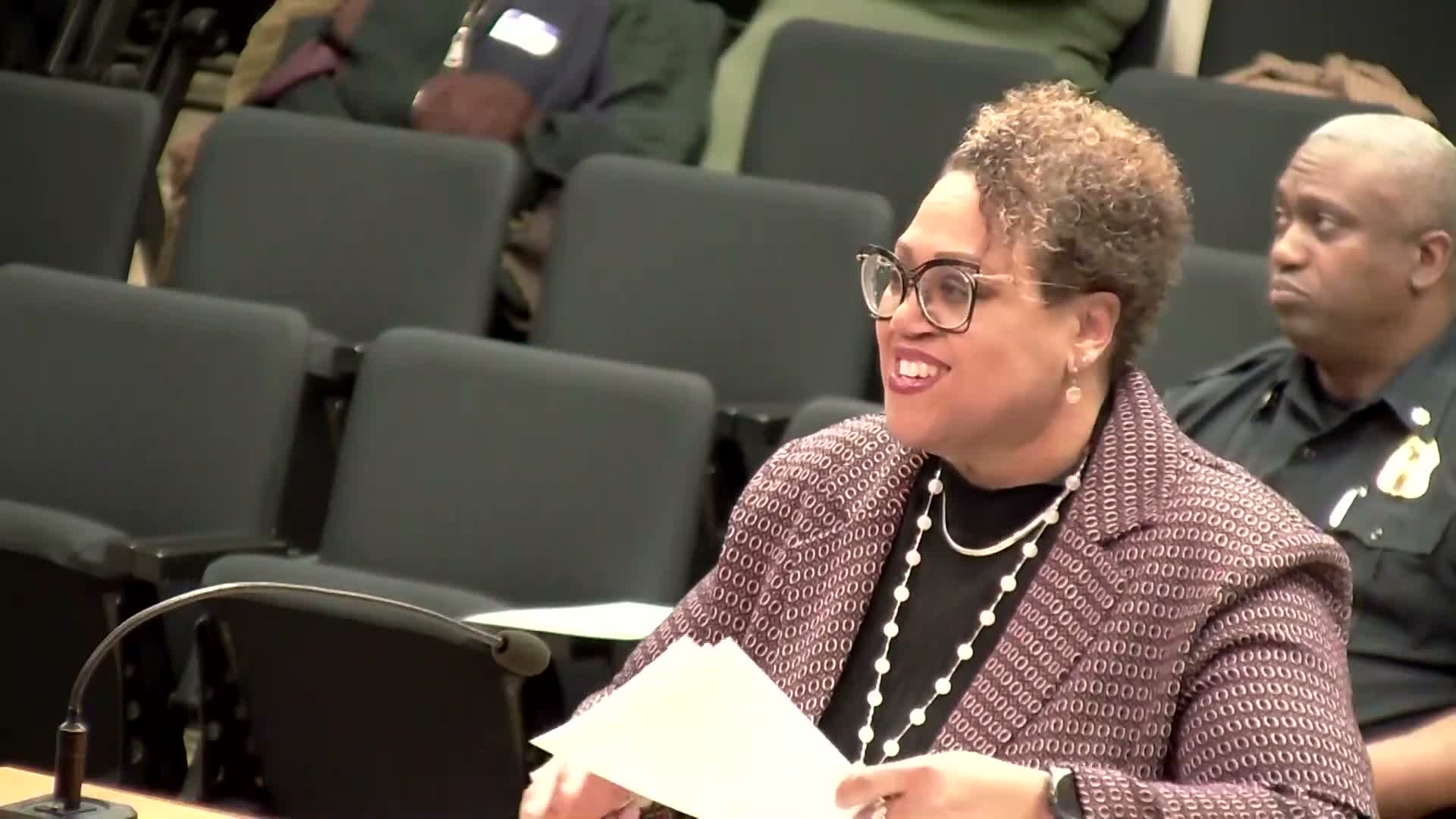
Summary
Residents urged the Dayton City Commission to publish all contracts the city manager signs and to commission independent performance reviews; Deputy City Manager Eva Shay Lofton presented a 15-month analysis showing 223 contracts totaling about $3.4 million and said procurement, legal and finance reviews remain in place.
Deputy City Manager Eva Shay Lofton told the Dayton City Commission that an internal review of contracts processed under the city manager's raised $50,000 approval threshold showed widespread use across departments but maintained existing oversight.
Lofton summarized the 15-month review, saying the administration identified 223 contracts totaling about $3,400,000, with a median contract of roughly $10,000 and 179 unique vendors. "We just finished an analysis," she said, adding that about 80% of the contracts were $25,000 or less and that procurement rules, finance certification and legal review remain in place.
The presentation came after a series of public speakers—including attorney Christina Cohen and representatives of local advocacy groups—urged the commission to publish every contract approved by the city manager and to use an outside consultant to facilitate formal performance evaluations of the city manager.
"Public funds require public visibility," said Christina Cohen, who identified herself as an attorney with Advocates for Basic Legal Equality and said ABLE had submitted a public-records request for five years of city manager contracts. "We are urging that all contracts approved by the city manager, regardless of spending threshold, be publicly disclosed and placed on the same agenda as other contracts."
Lofton defended the change, noting the commission approved the ordinance in two public readings and a recorded vote in 2024 and that the threshold had not been updated in many years. "This data does not support any characterization of malfeasance, circumvention, or impropriety," she said, describing multiple layers of review that include procurement training, finance director certification and law-department review.
Commissioners thanked staff for the detailed work and asked for more accessible reporting. "I don't think the bar was malfeasance for me — it was a question of transparency," said Commissioner Fairchild, who requested that the line-item reports discussed in the presentation be posted online. Several commissioners said they want a regular cadence for posting the information, and staff committed to making the analysis available on the city's management and budget dashboard and to provide comparisons with other cities.
Lofton said the city's financial system did not natively generate the report and that staff had to compile it manually; she repeated the administration's commitment to publish the material and noted an ERP replacement would make ongoing reporting easier. The commission also discussed exceptions for negotiated or sole-source professional services and asked staff to explain those criteria in public reporting.
The administration's next steps include posting the current analysis online and providing commissioners with additional comparative reporting about how peer cities handle similar thresholds. The commission also said it is exploring an independent process for regular performance reviews of the city manager.